Month: November 2024

Thanksgiving 1924: The “Electric Gridiron” Comes to Grinnell

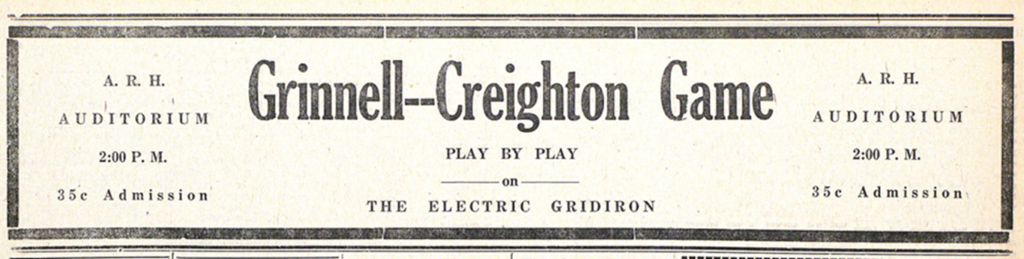
On Thanksgiving Day—100 years ago—many of the Grinnell students who remained on campus gathered in the auditorium of A.R.H to “watch” their football team play the last game of the season against their rival, Creighton, in Omaha. The college marching band assembled in the auditorium, along with Grinnell’s cheerleading squad, but all eyes were on the new “Grid-Graph” machine, which weighed nearly 1,000 pounds, and was designed to visualize remote football matches via instant telegraphy, electrical switches, and lights, so that fans could follow the action in real time, play-by-play (in an era before television coverage, and when even radio broadcasting of games was limited to a few nationally chosen matches). In the 1920s, Grid-Graph became all the rage in college sports, and Grinnell was excited to sign its own contract in 1924 to bring the marvels of modern technology (the “electric gridiron”) to campus.
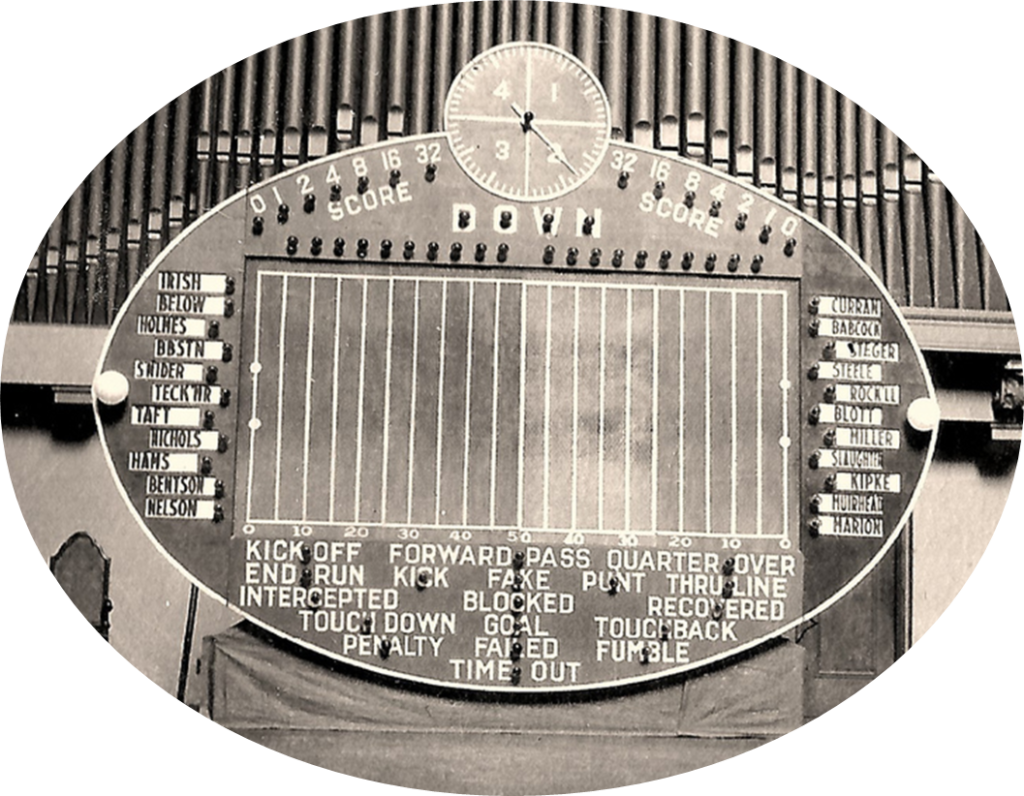
Photograph of a Grid-Graph “in action” in the 1920s
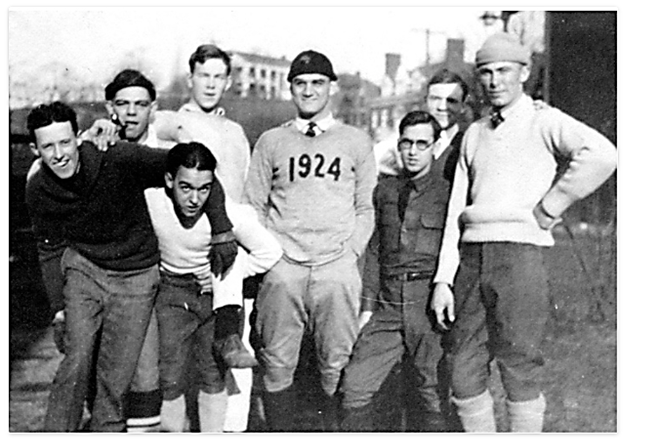
Grinnellians posing before the Thanksgiving match in 1924 (note: the player on the far right is Hap Moran, who went on to a successful career as a starter in the NFL for more than a decade)
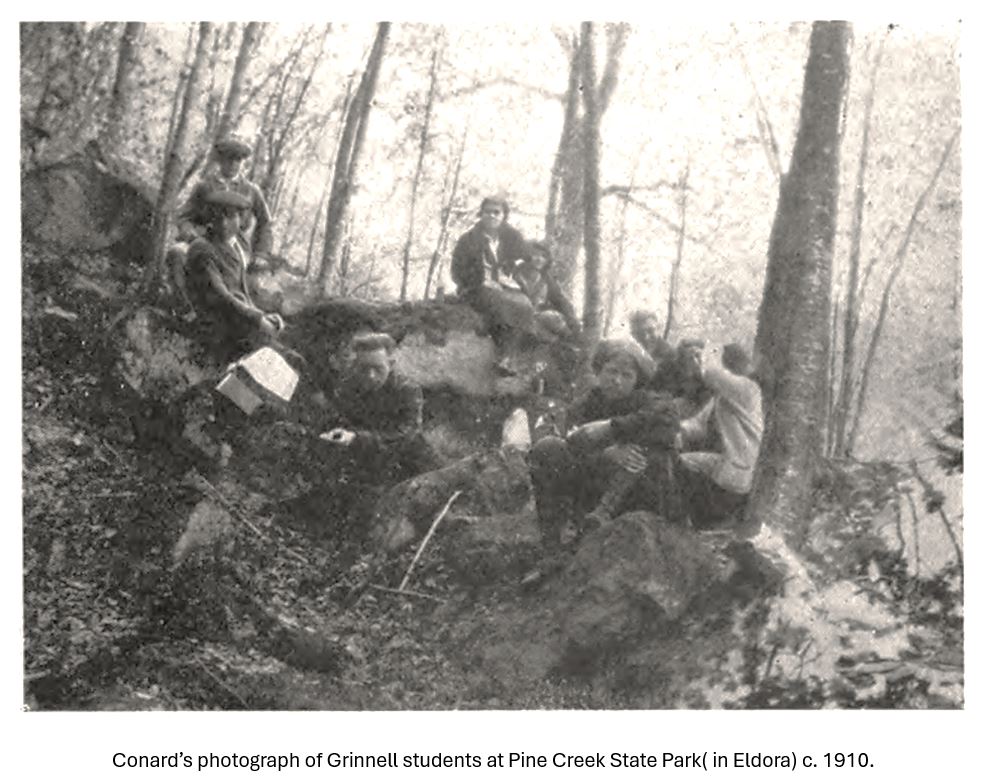
Forest Bathing in the Conservation Era

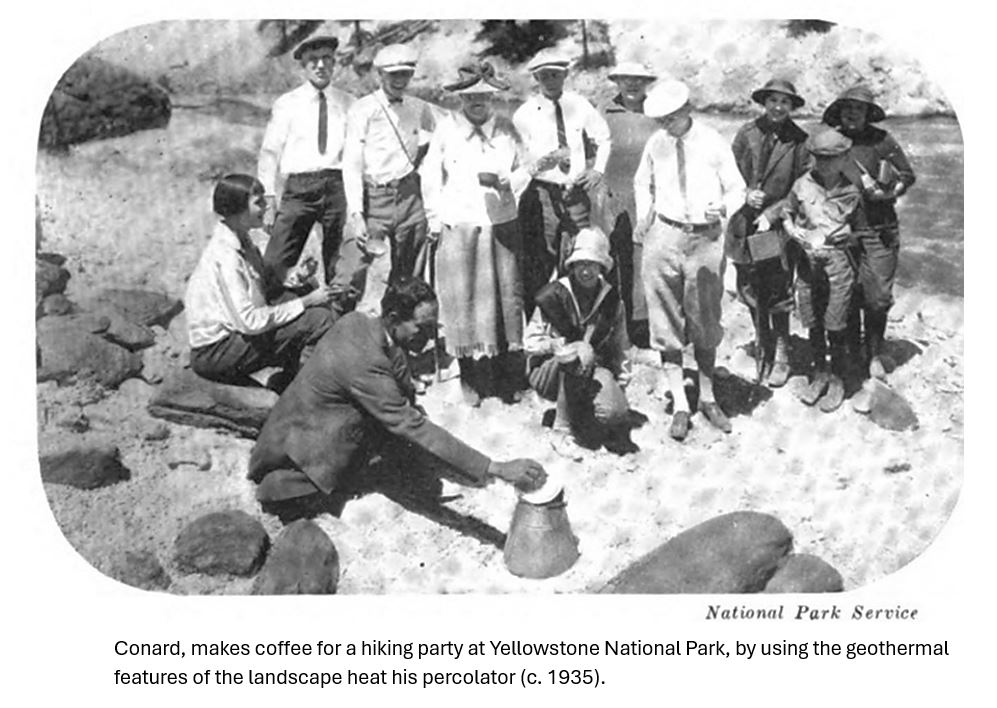
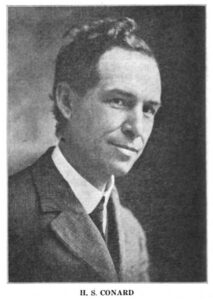
This week marks the end of the Fall program of “forest bathing” at Grinnell, in which students can sign up to spend part of a Tuesday afternoon walking through woodlands and immersing themselves in nature. Although billed as a modern wellness practice—and a form of environmental health or environmental medicine—the essential goal of these trips would have been quite familiar to Henry Shoemaker Conard, who taught Biology at Grinnell College one hundred years ago. Conard, who also served as president of the Iowa Conservation Association, advocated for a system of state parks in Iowa that would provide wilderness preserves for study, recreation, and immersion. He regularly took students on extended camping and hiking trips through Pine Creek State Park (in Eldora) as pictured here. Conard also helped organize similar, albeit shorter, trips for local school children to state parks and preserves. And in the 1930s, Conard was hired as a “Ranger-Naturalist” to lead extensive hiking parties through Yellowstone National Park in the summers, blending science, recreation, and wellness that were seen as inter-connected elements of the conservation movement in the Progressive era.

Gwendolyn Brooks at Grinnell

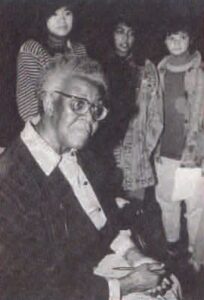
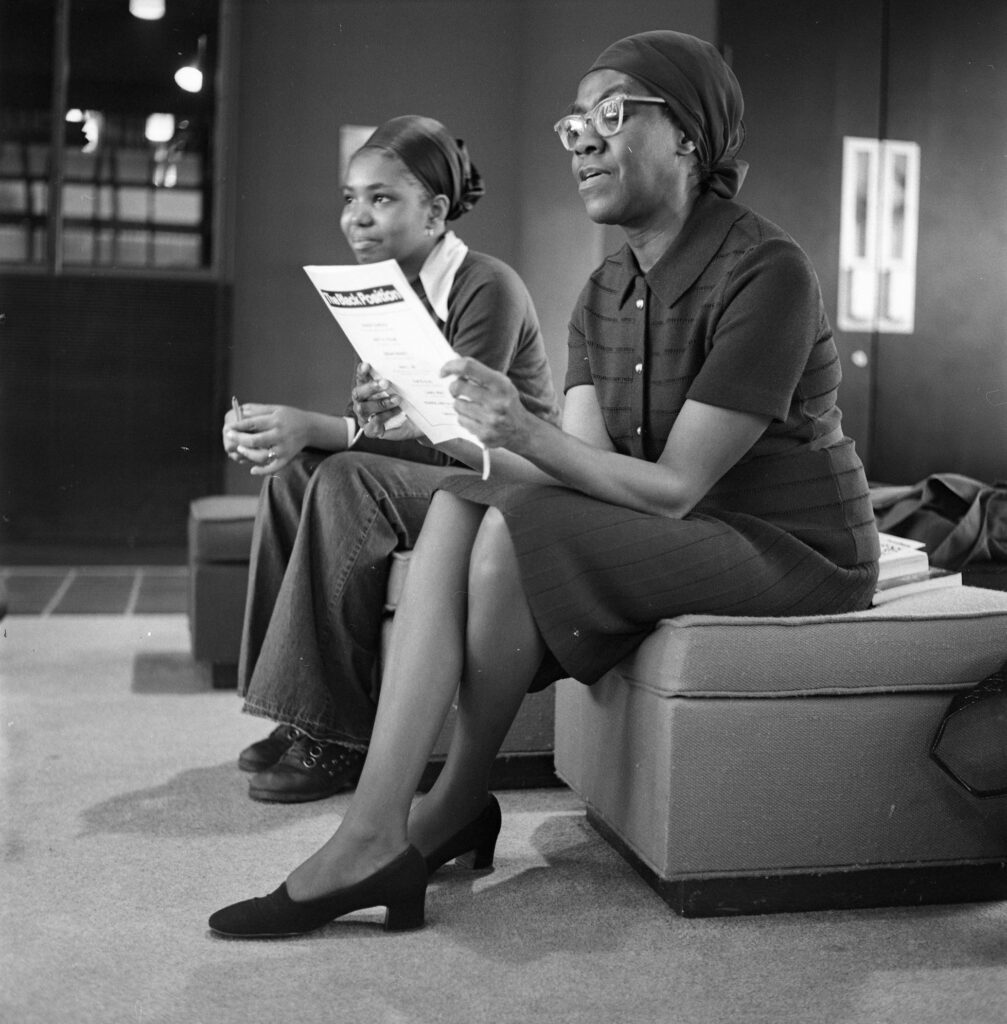
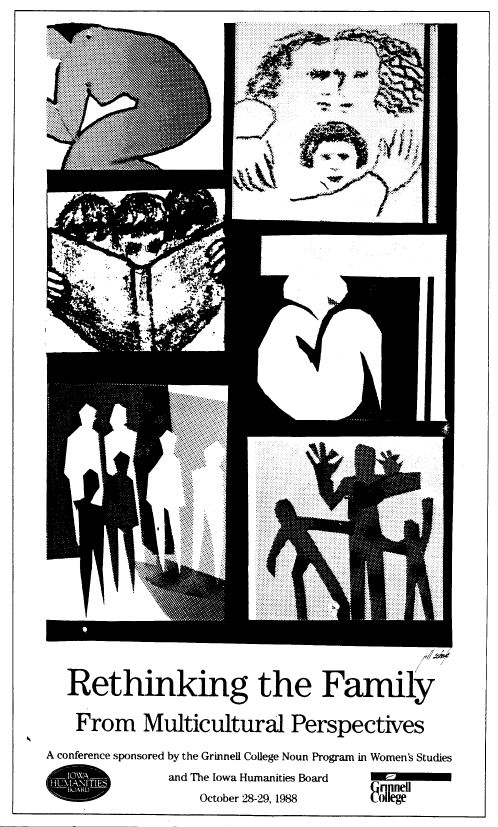
Before GWSS became a major—or even a concentration—Grinnell had the Noun Program in Women studies and the Noun Chair in Women’s Studies (both endowed by Louis Rosenfield Noun in 1986).  One of the first major events the Noun program sponsored was a large symposium in the Fall of 1988, entitled “Rethinking the Family From Multicultural Perspectives” (see the brochure posted here).  The keynote event of that conference was a reading by the Pulitzer Prize-winning poet, Gwendolyn Brooks, who was one of the defining voices of the 20th century (pictured here with three Grinnell Students behind her). This was not Brooks’ first visit to Grinnell, however. In 1972, students invited Brooks to headline the Black Martyrs Weekend event, which involved leading a workshop on poetry in the morning (captured in this picture showing Brooks and a student in the South Lounge), and then reading her own work in the evening.

Gwendolyn Brooks at 1988 symposium

Brooks leading a Poetry workshop in South Lounge, 1972

Rethinking_the_family_Noun_Symposium_1988 (Click here for full symposium brochure)

Elections Past & Grinnell’s Program in Practical Political Education (PPPE)

Elections Past & Grinnell’s Program in Practical Political Education (PPPE)

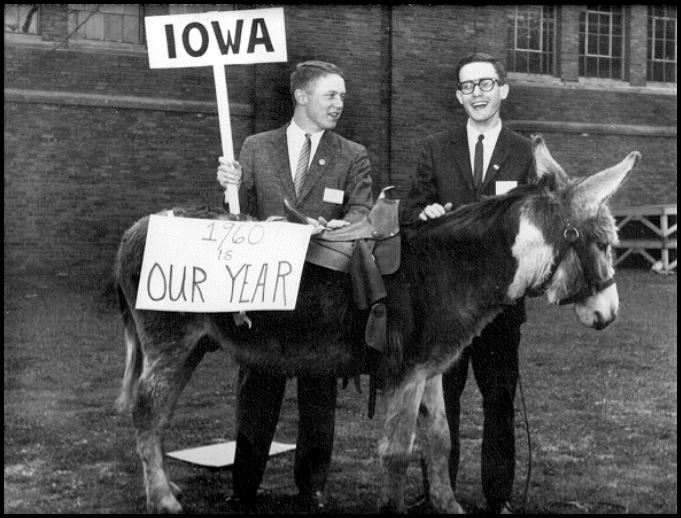
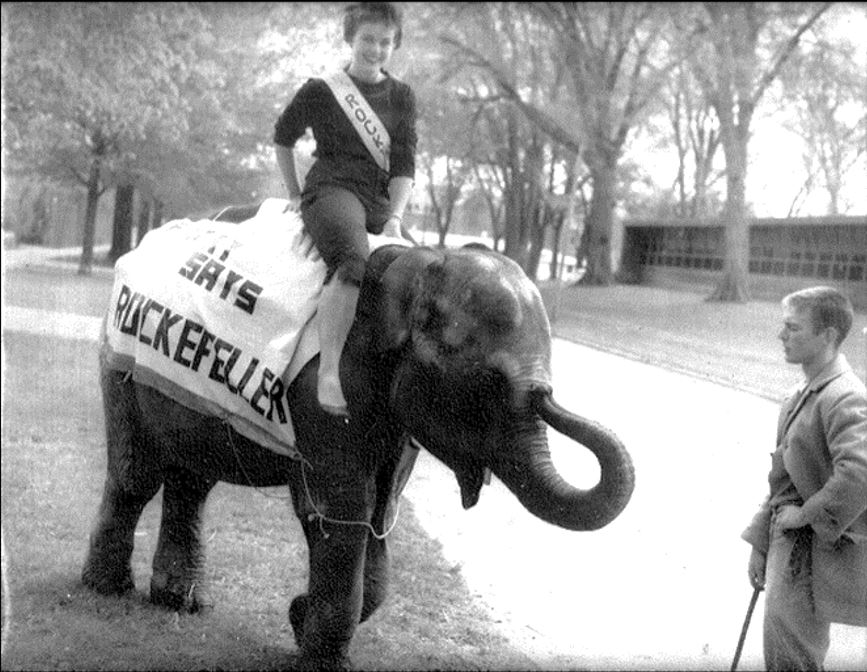
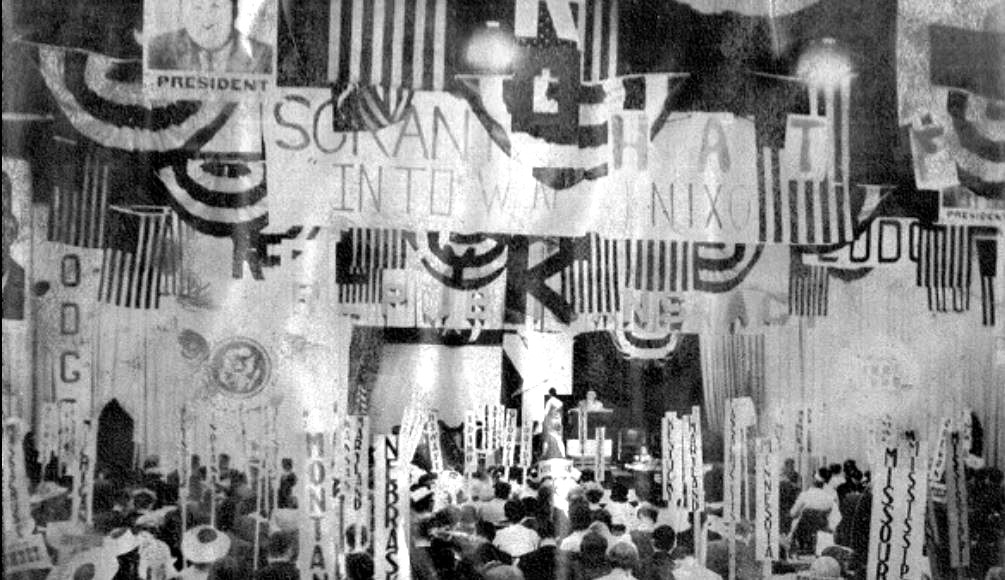
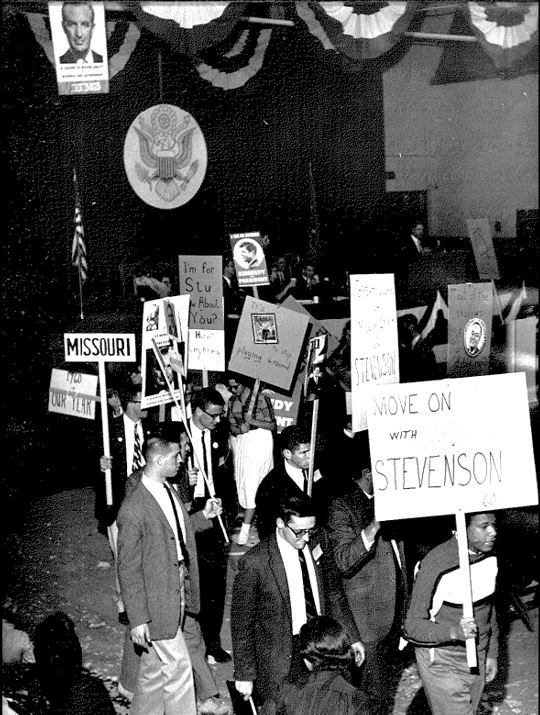
These images, from 1960, show students participating in full-blown, mock conventions for the Democratic party and the Republican party, as part of Grinnell College’s “Program in Practical Political Education” (PPPE) that ran from 1959 to 1970. Under the leadership of Prof. C. Edwin Gilmour, and funded largely by outside grants, the PPPE aimed to encourage students to become involved in day-to-day politics, even partisan politics, through a mixture of training, summer internships, funded fieldwork, political science “labs” that involved campaigns, election, or administrative experience, and a steady stream of state, local, and national politicians who came to Grinnell to give talks, teach short courses, or to work with students for a more extended period of time as “politicians-in-residence.” On election nights, the PPPE “caucus room” became the place on campus to watch coverage of the incoming election results.

Powered by WordPress & Theme by Anders Norén