Tag: Spring

The Spring Ritual of Mowing

In April, grass grows at a prodigious rate in Iowa.  On his visit to Grinnell, the famed agriculturalist, Wes Jackson, once expressed his astonishment at how quickly, and completely, Iowa goes from a sea of brown to a “riot of green”, in just a couple of weeks.

All of that grass, of course, requires mowing, and modern day Grinnellians are used to hearing the hum of lawnmowers around campus and town whenever the rain pauses and the sun comes out. Last week, in fact, City officials reminded residents, businesses, and institutions that they would be taking their rulers around town to measure grass height (anyone with grass over 8 inches will receive a citation and be  fined).

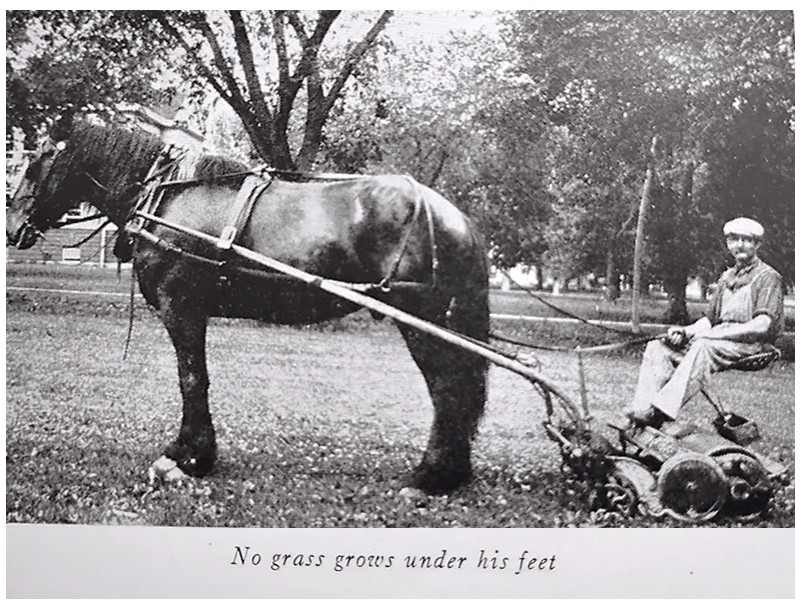
A century ago, one groundskeeper (captured in this 1916 photograph) was responsible for mowing all 22 acres of campus with a horse-drawn mechanical mower.  In 1930, students published calculations about how much mowing this entailed. Estimating that he mowed the campus 20 times a year, and calculating how many miles that would translate into if he and the college horse travelled in a straight line, they determined (with a good dose of comic hyperbole) that:

They have traveled far enough to go from New York to San Francisco and back to the railroad crossing just this side of Kellogg, where they would undoubtedly block the Rock Island trains until next spring, when there will be more grass to cut and they could again move on.

This process of endless mowing is the kind of prosaic routine that typically fades into the background of college life. Although there are times when it surfaces. In the 1970s, for example, the staff of Buildings and Grounds went on strike for 19 weeks, forcing administrators to do much of the mowing (there are iconic photos of Dean Wally Walker mowing the campus lawn). And there were a number of debates in the 1980s about whether mowing should take place during class time, when open windows made it difficult to hear.

Still, the symphisian task of mowing continues on.
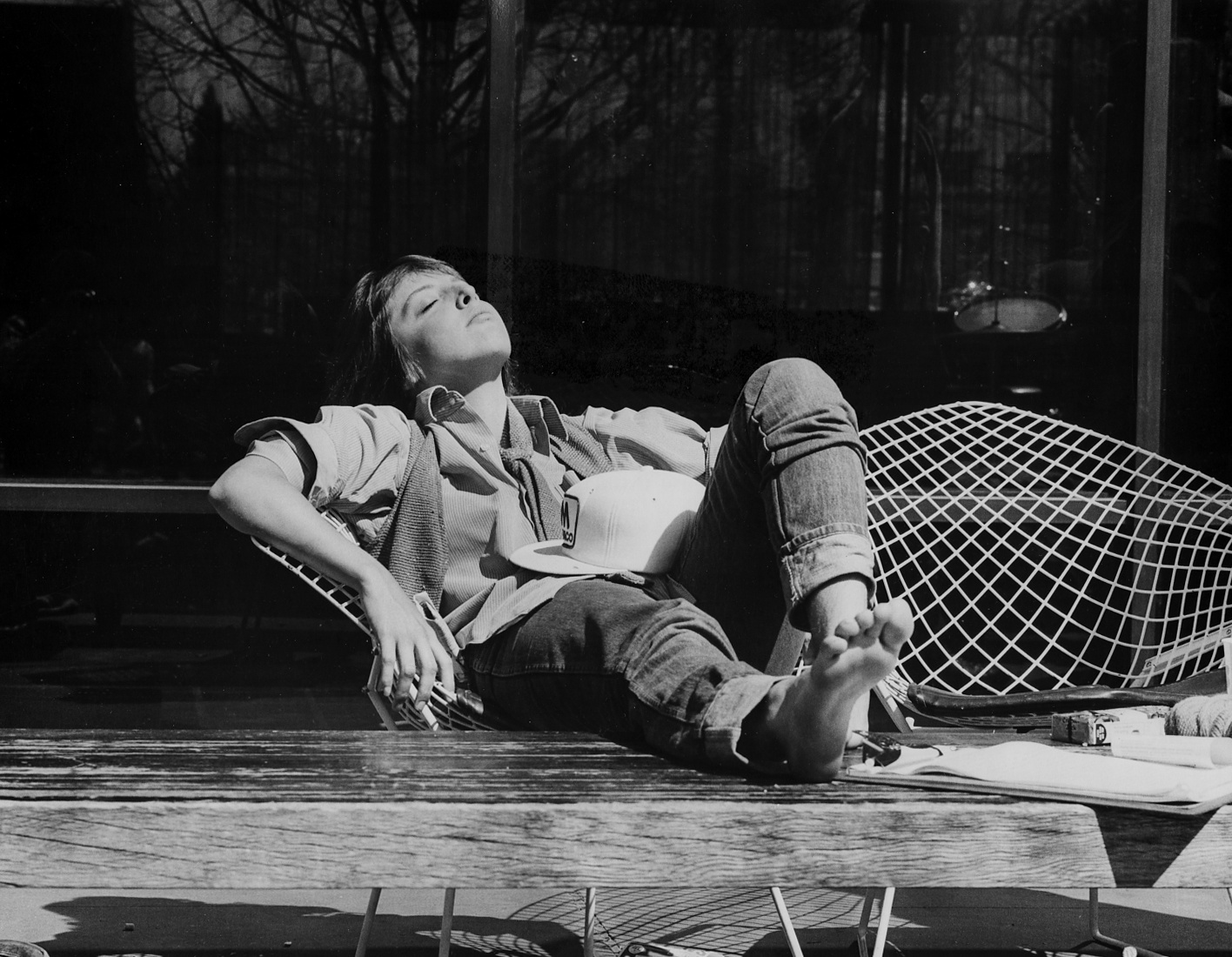
 

A Break from the Grind: ”Skip Days” in the 1970s

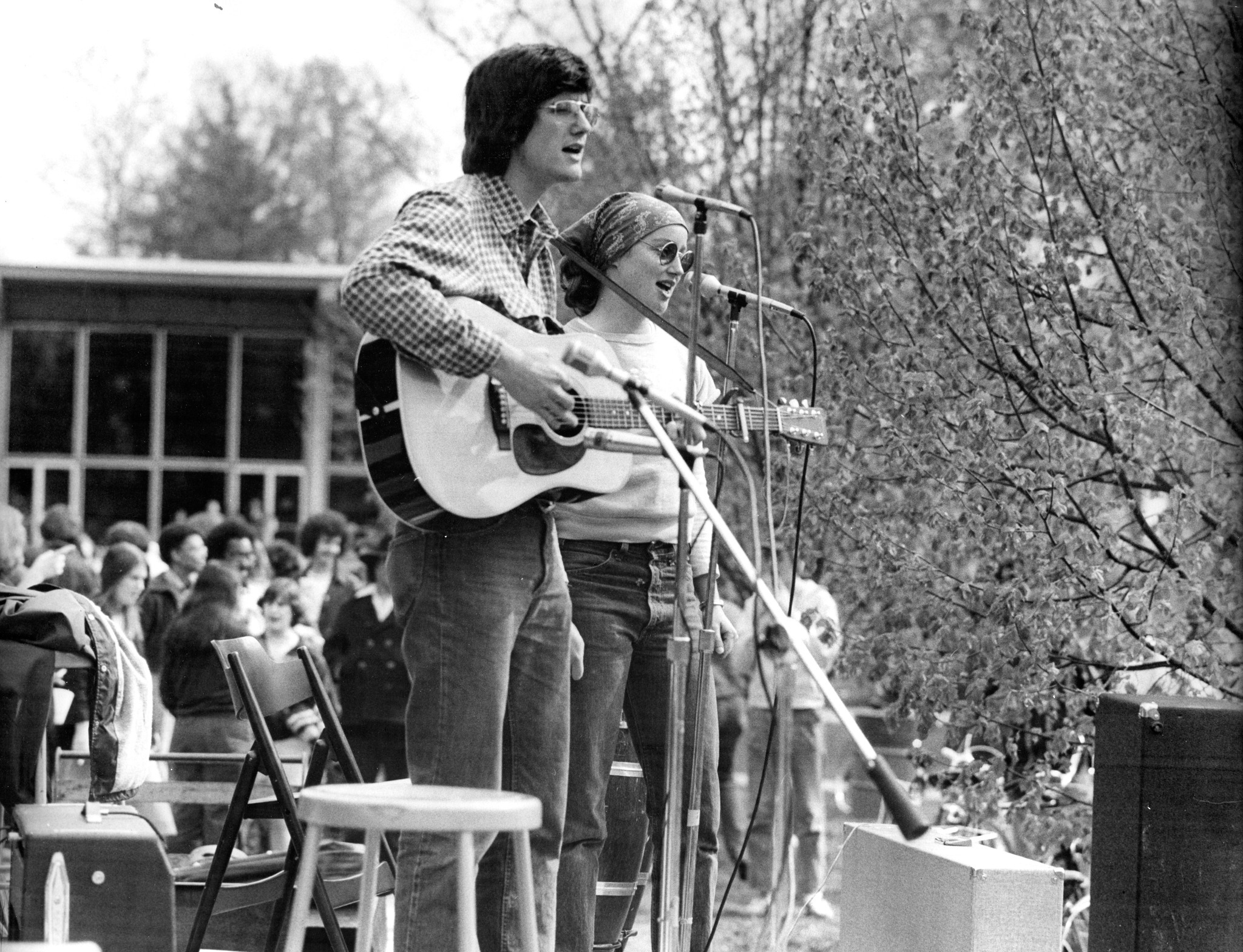
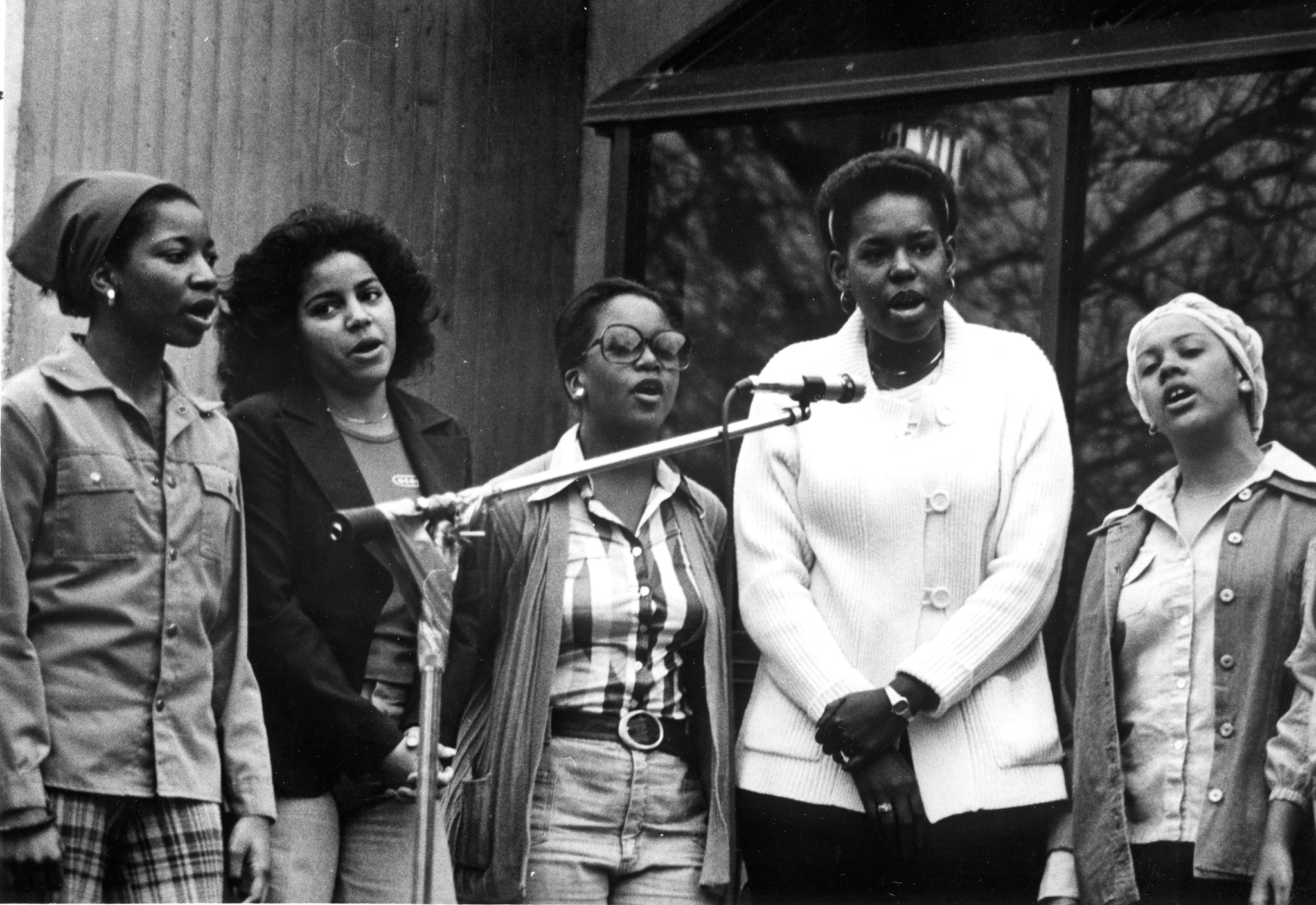
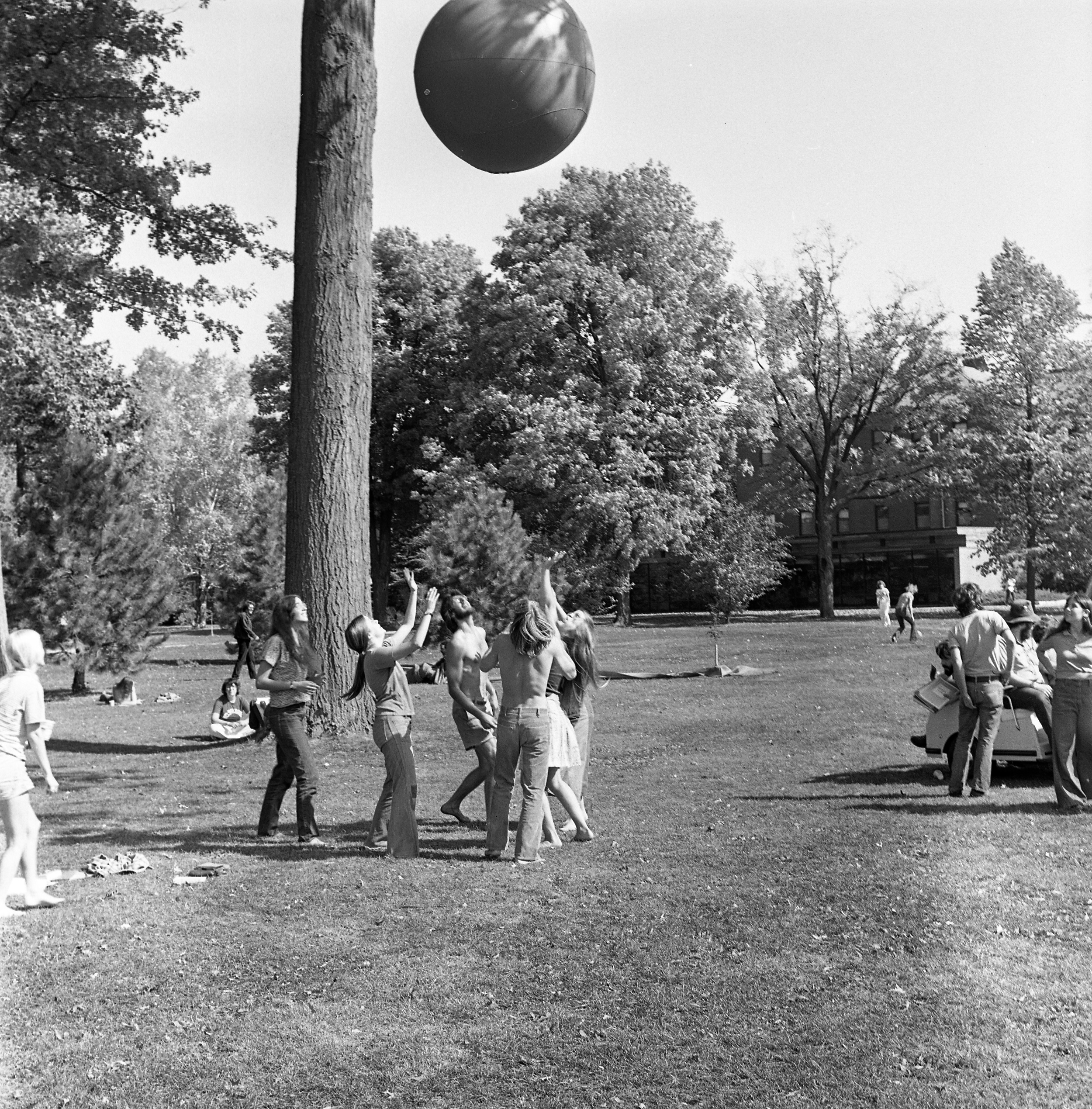
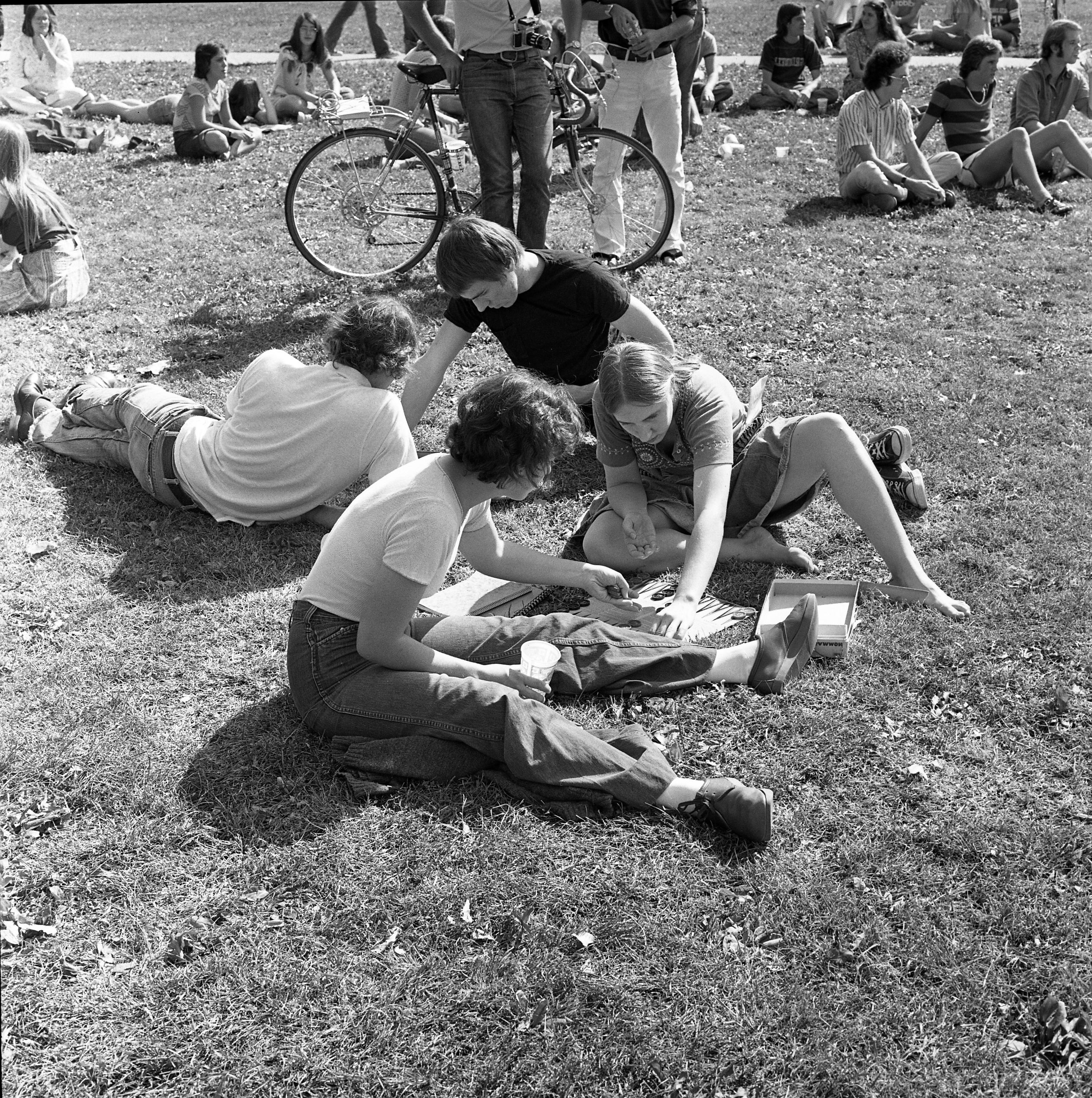
In April of 1975, A. Richard Turner was installed as the ninth President of Grinnell College. An art historian, who studied Renaissance Florence and Leonardo da Vinci (in particular), Turner was eager to set a new tone on campus after the fierce political battles and protests of the late sixties and early seventies, which had pitted students against the administration. In one of his first moves, Turner declared a “skip day”—announcing one April evening that the next day (which was forecast to be a beautiful and warm day) he would cancel all classes and work, providing free food, entertainment, and kegs of beer outside the Forum for students to enjoy—a kind of Midwestern carnival.

“Skip Days” became a beloved tradition during Turner’s presidency, although faculty were less than thrilled about having classes, labs, and tests cancelled without any prior notice (Turner would declare one skip day each Fall and Spring, announcing it the night before). Yet, Turner always pointed out the need for students to have this kind of unexpected break, from the grind and pressure of work. It was also a chance to build community spirit on campus.  When George Drake became president of the college in 1980, the faculty voted to end “skip days,” although SGA tried to carry on the tradition for a few years unofficially. But it faded into memory by the mid-1980s.

Spring Cleaning

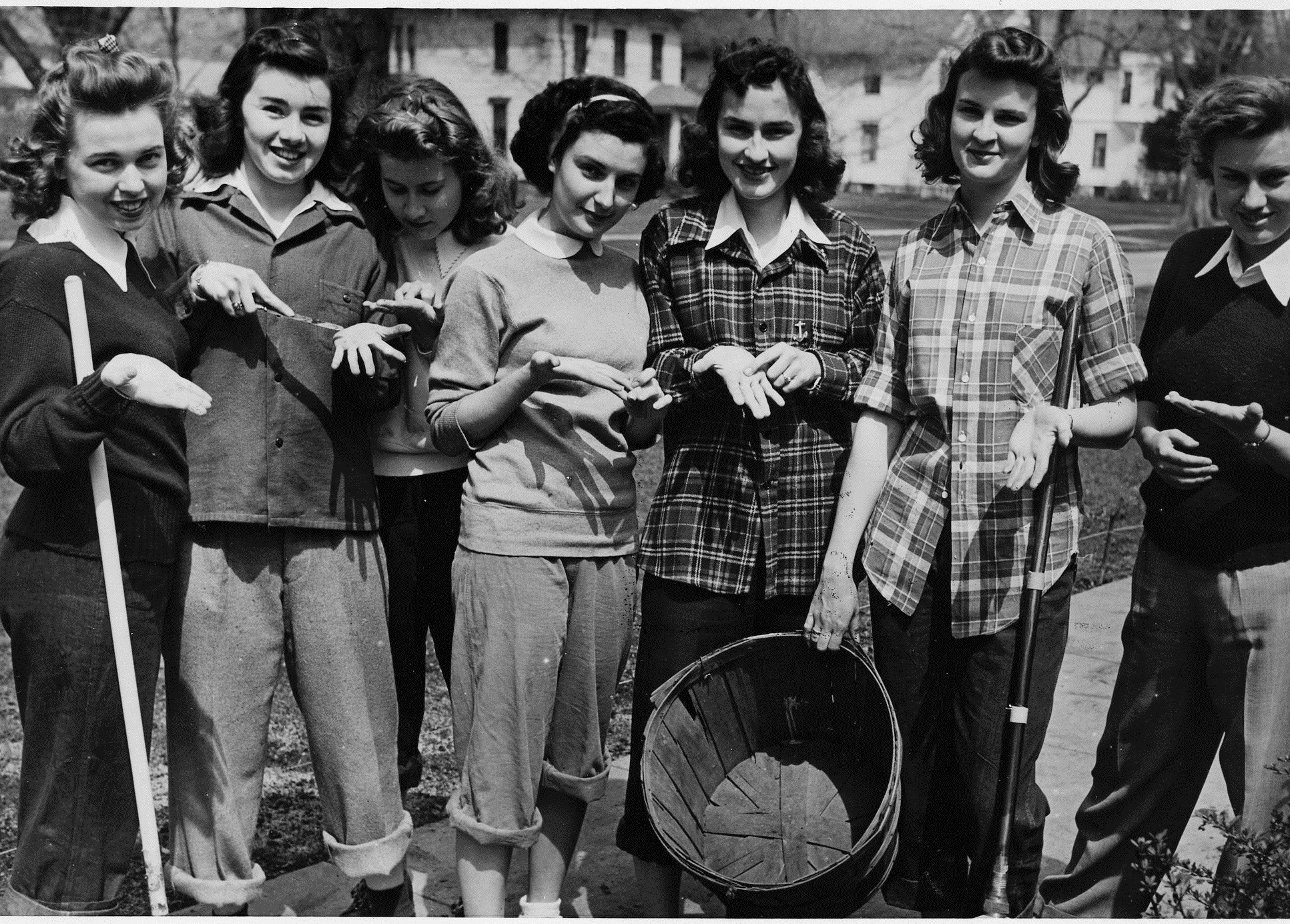
A group of Grinnell students show off their calloused hands, in May of 1948, after spending the morning taking part in the campus-wide spring cleaning that took place each year as part of the elaborate “Spring Day” festivities. Students washed windows, scrubbed facades, cleaned up the loggia, white-washed the campus signs, removed leaves, hauled off brush, and tended to the college garden. Each year, from 1940 until the mid-1960s, a student and faculty committee would select a date for the Spring Day activities, cancelling class so that all students, faculty, and staff could participate.

May Day at Grinnell

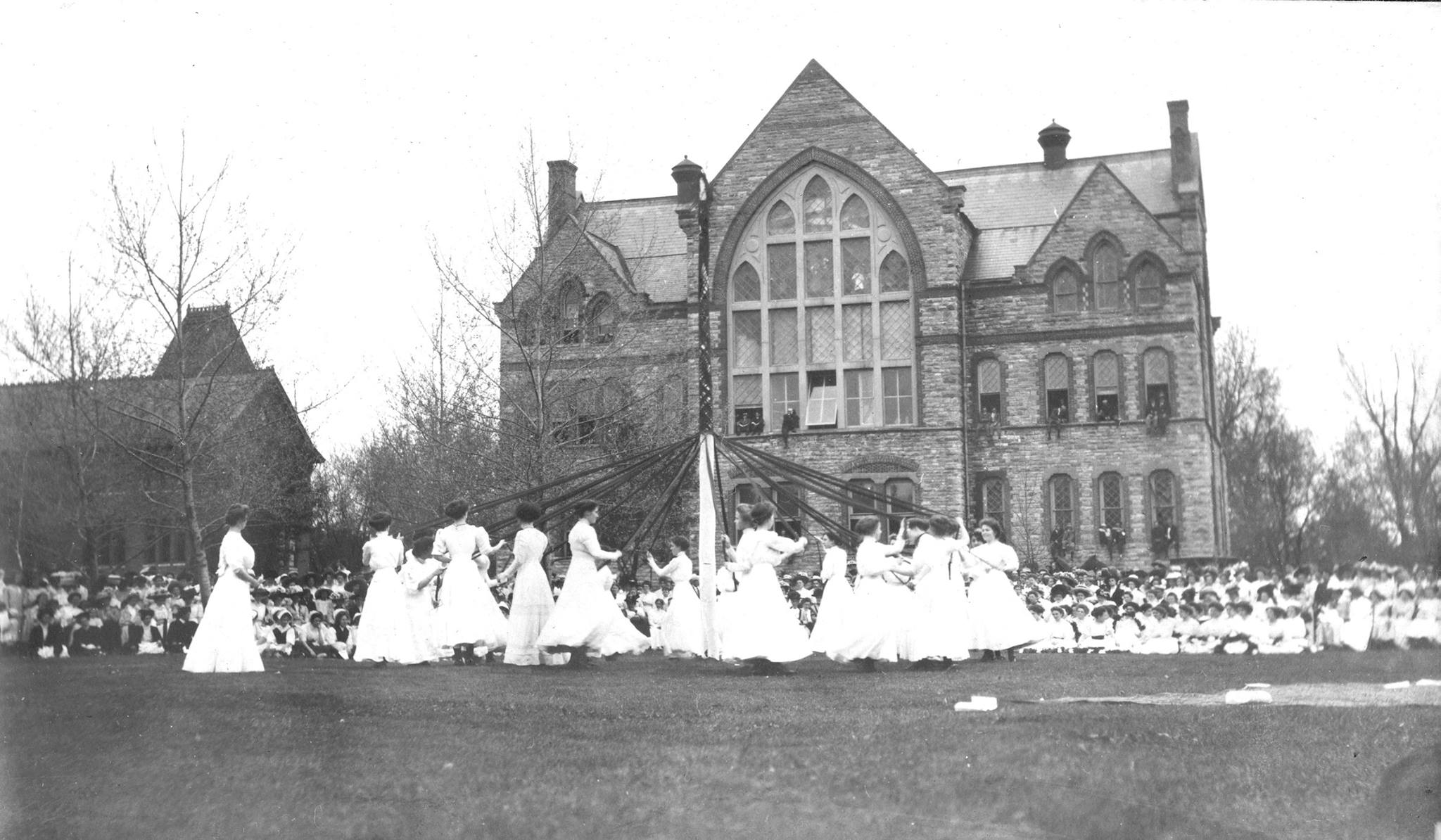
May Day Festivities, 1913

In 1909, the college began hosting an annual “May Fete” or “May Day” celebration, organized by the Women’s Athletic Association. The event would begin with a procession around the campus, led by a trumpeter (dressed in medieval livery), then the College marching band, followed by all seniors wearing their caps & gowns, followed by the elected “May Queen” and her court, then the juniors, followed by the sophomores, followed by the freshman (students from each class were dressed in a different types of folk costumes or gowns), all carrying elaborate flower garlands. A Maypole was erected in central campus, in front of Blair Hall (as seen in this picture from 1913), and different classes took turns “winding” the red & black streamers around the pole, dancing to particular songs played by the college band, accompanied by the glee club. There were also a series of elaborately choreographed “flower drills,” that are frankly mysterious to the 21st-century observer, but which contemporaries found captivating. The May Day festivities of 1913, pictured here, also included groups of local school children who dressed as butterflies, violets, the four winds, and autumn leaves, each of whom danced with a specific class to represent a particular season of the year. It was one of the defining moments of the spring semester, during this era.

Powered by WordPress & Theme by Anders Norén