Tag: Music

Documenting the Glee Club’s “Western Tour” (1909)

In the spring of 1909, the Men’s glee club spent an entire month touring the Great Plains and Pacific Northwest. It was estimated that they travelled about 5,000 miles, through 11 states; performing 26 “secular” concerts, 6 “sacred” concerts, and a number of informal events at high schools and Y.M.C.A.s, to “an aggregate audience of some fifteen thousand people”—all at a grand cost of five thousand dollars.

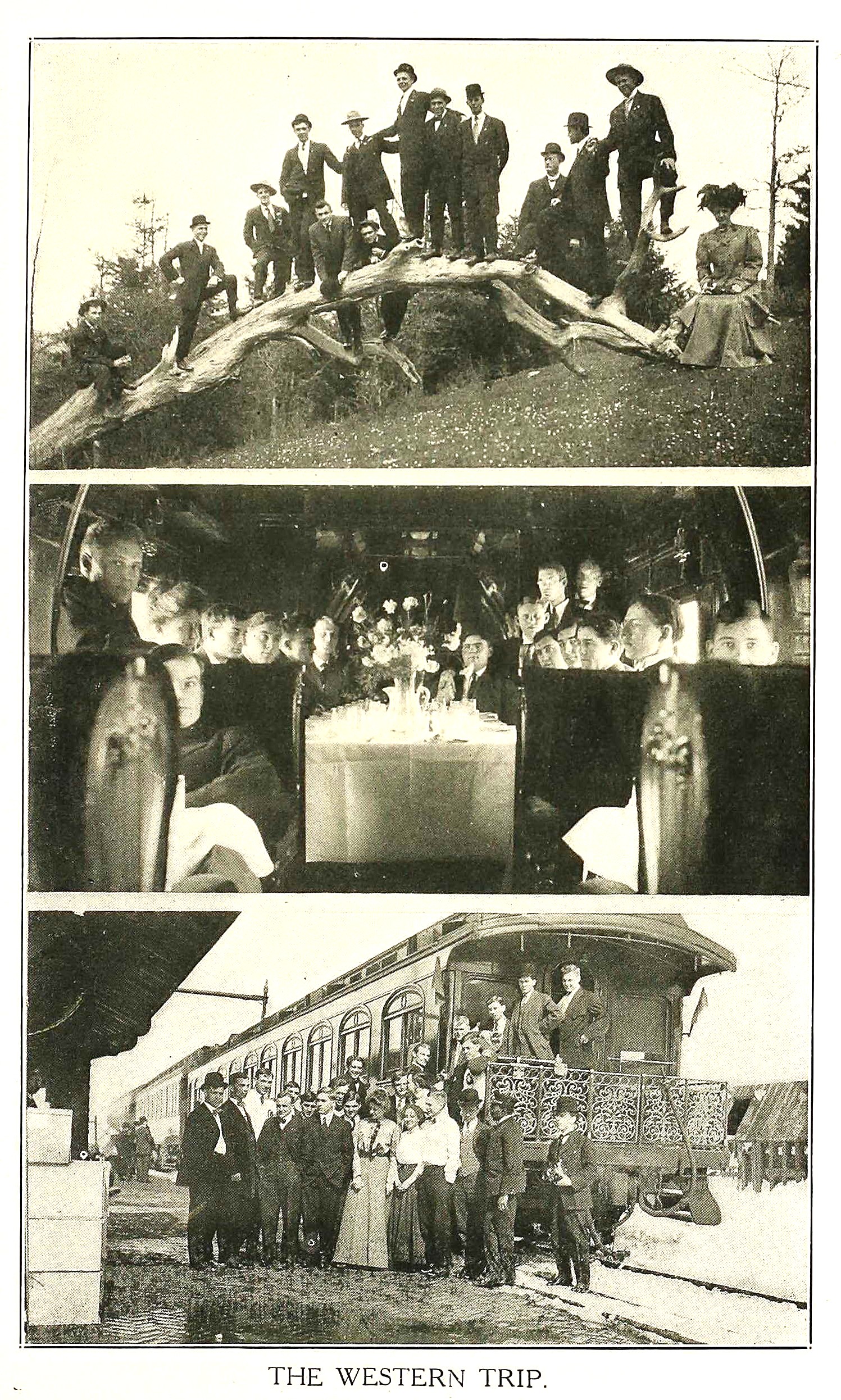
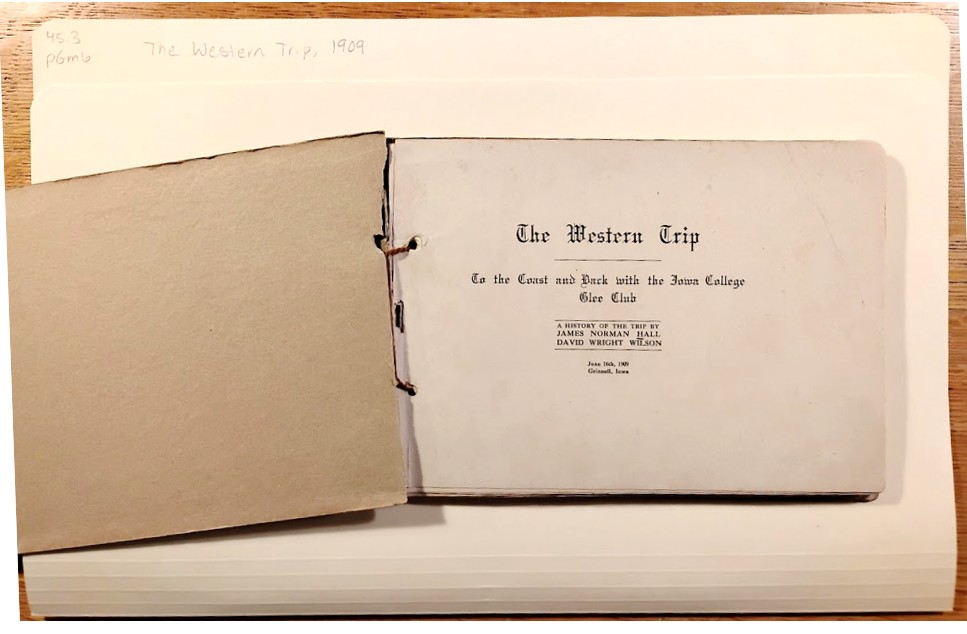
To commemorate this momentous tour, members of the Glee club created a scrap book that recorded each day of the trip, along with pictures and commentary. A local printer published a small run of this work as The Western Trip: To the Coast and Back with the Iowa College Glee Club: A History of the Trip by James Normal Hall and David Wright Wilson (a copy of which is in special collections in Burling Library, for anyone who wants to read about their adventures).


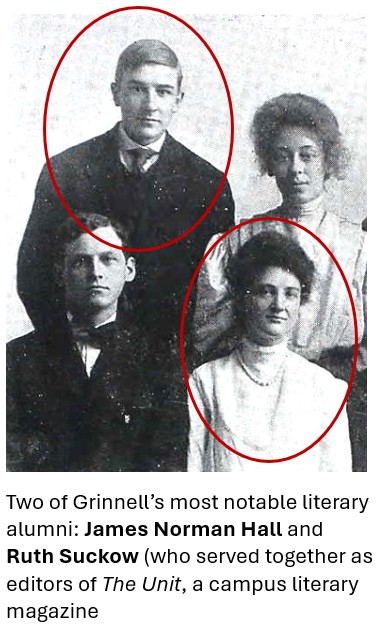
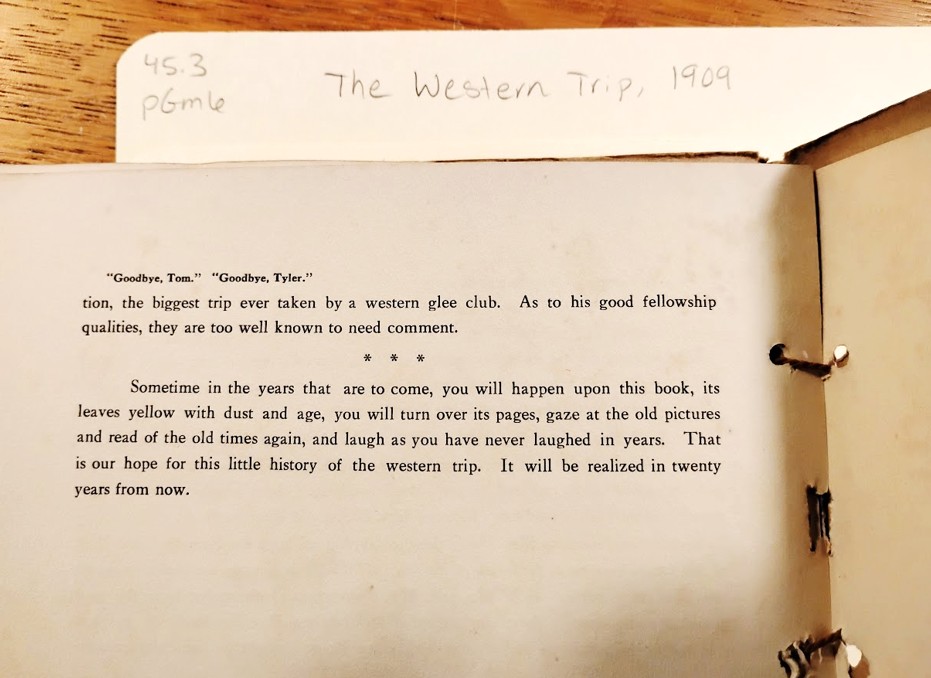
One noteworthy feature of the book is that it represents the first publication of James Norman Hall (class of ’10), who would go on to become a prolific writer and novelist (most known for his Bounty trilogy that began with Mutiny on the Bounty in 1932). It is also interesting to see how the book ends, with a note to future readers who will encounter it’s yellowing pages in decades to come…

Spring Break Travels (1909)

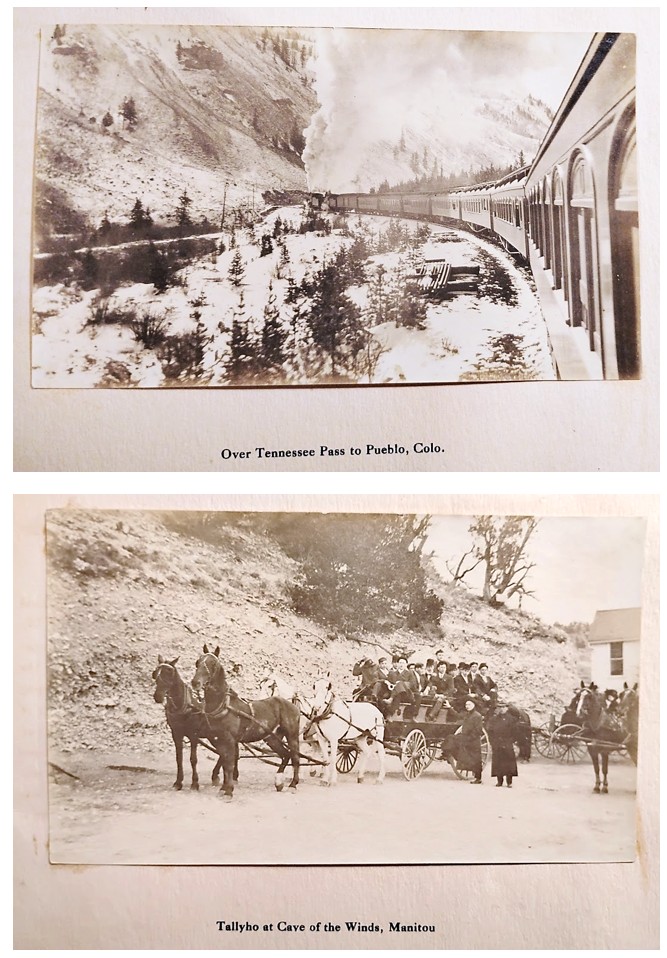
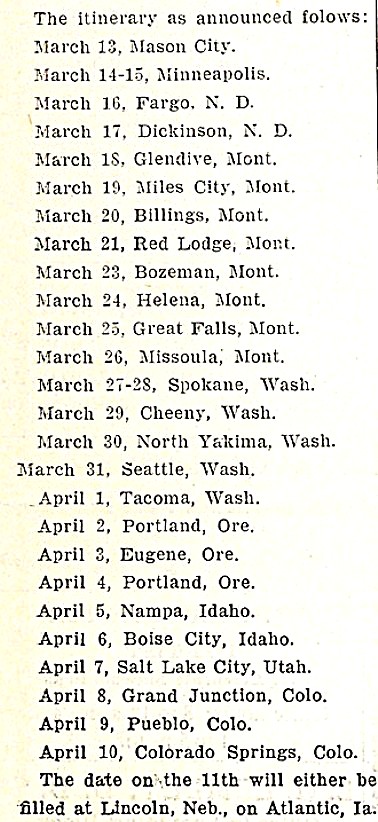
While college Glee Club had a tradition of utilizing the breaks to perform throughout Iowa, or nearby states, the spring of 1909 witnessed something much more ambitious in scope, as the Men’s Glee Club lined up a month’s long, performing tour of the American West.  The club departed from Grinnell in their own “private Pullman car especially fitted for the trip, with all the modern conveniences and comforts.”  At first, the Iowa Central line pulled their private car to Minneapolis, where it joined a larger train on the Great Northern Railroad line, that took them across the Great Plains, and ultimately to Seattle, where they joined the Oregon Line, then the Denver & Rio Grande Line, as they made their way through Idaho, Utah, Colorado, and Nebraska (see the schedule below). From March 13th to April 12th, the Glee Club toured in style.  There was some controversy when they returned, however, since they decided to finance the trip by charging $1 admission to future concerts in Grinnell, generating push-back from local students and townspeople who were not used to paying admission to hear them perform.

Baroque Legacies: The Life & Work of Jennifer Williams Brown

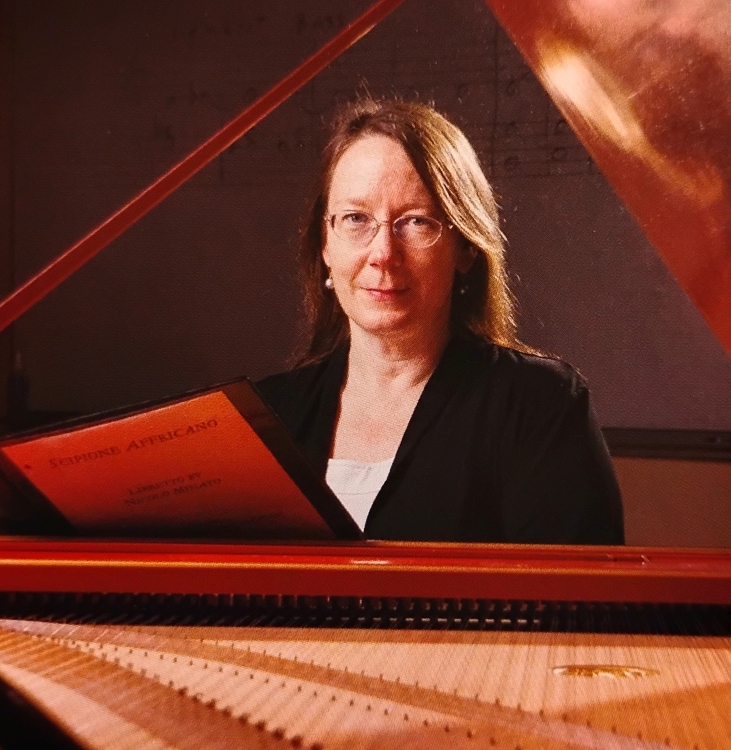
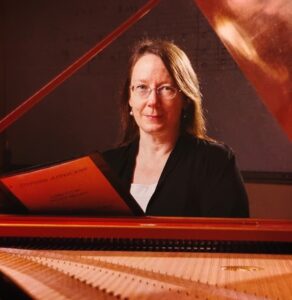
Last week, Jennifer Williams Brown, Professor of Music, passed away at her home in Grinnell after a long battle with ALS. Prof. Brown was a distinguished musicologist and performer, who specialized in early modern opera (particularly translating and analyzing the work of Francesco Cavalli). She taught baroque music and dance at LSU and the Eastman School of Music before joining Grinnell’s Music department in 2005.


Twenty years later, at the 2025 commencement, President Harris’s special recognition citation (marking Prof. Brown’s transition to Senior Faculty Status) captured the wide-ranging contributions she made to the college, and to her field, through a remarkable record of teaching, scholarship, and service.
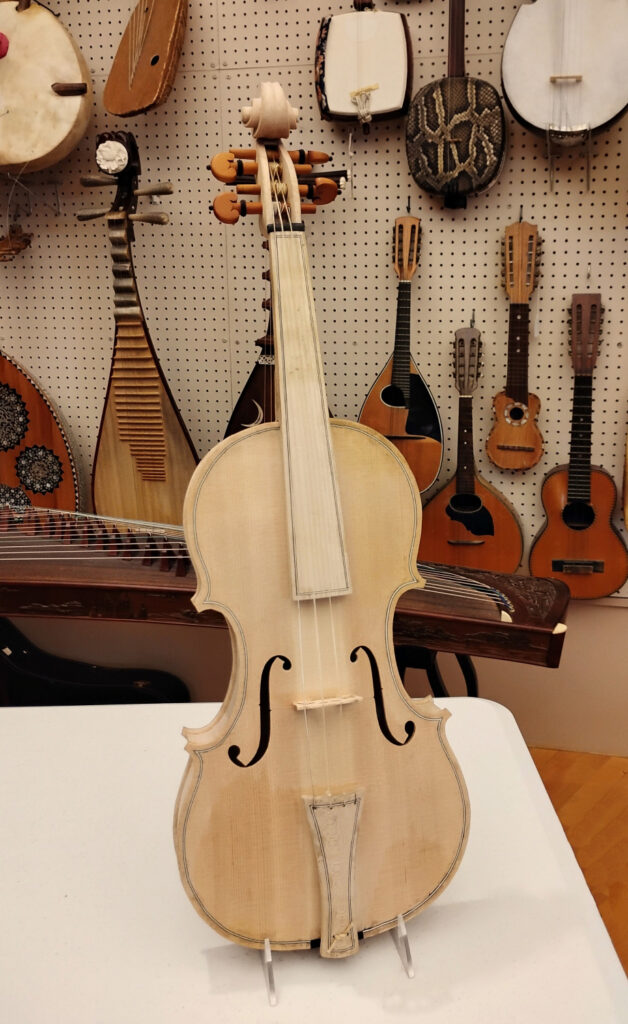
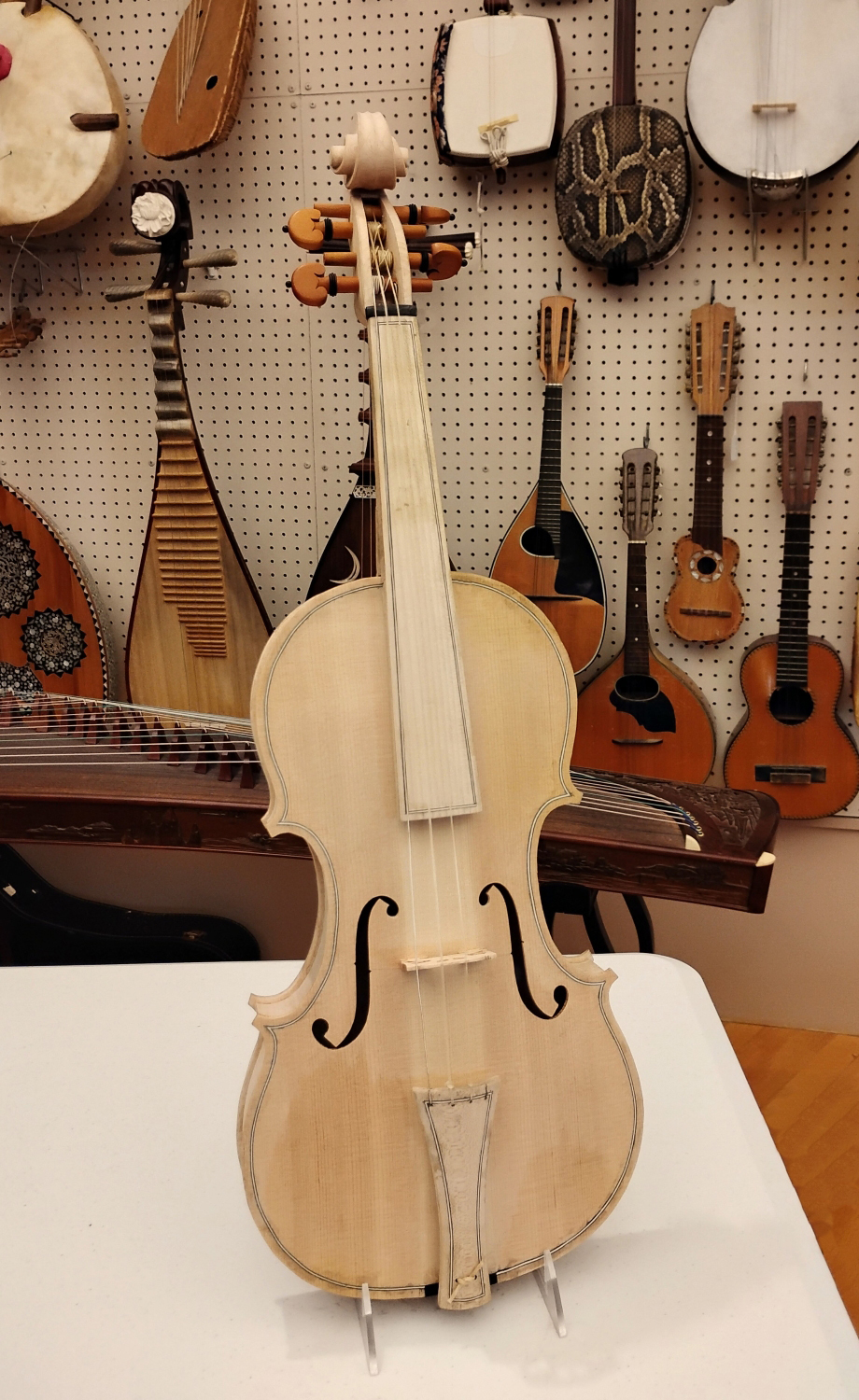
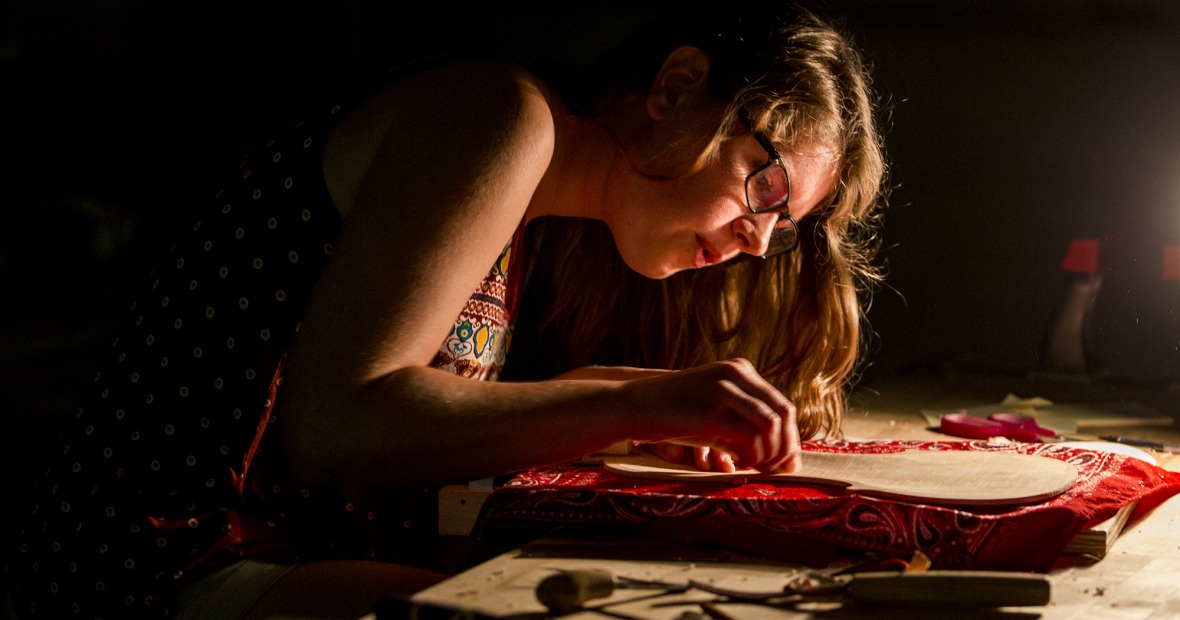
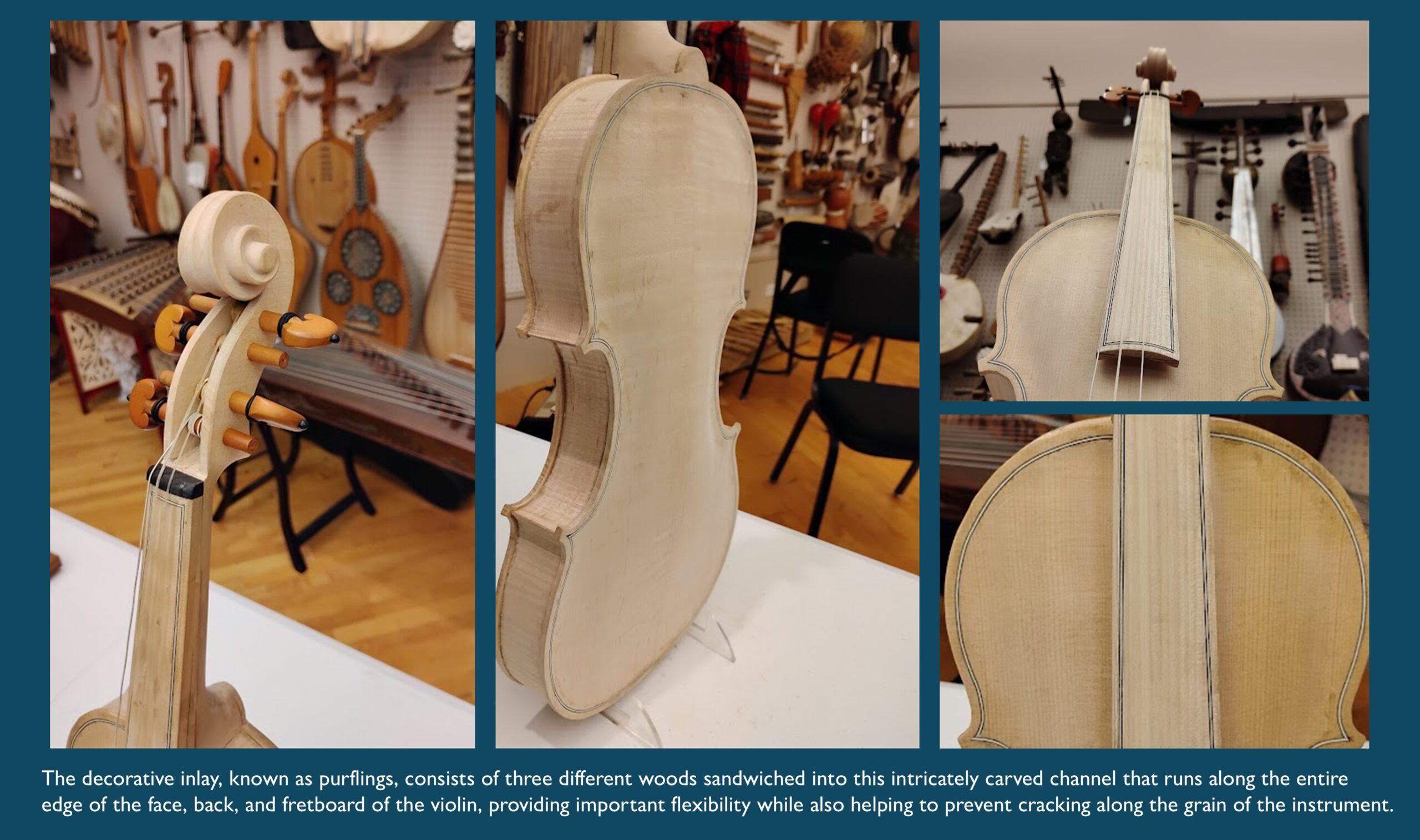
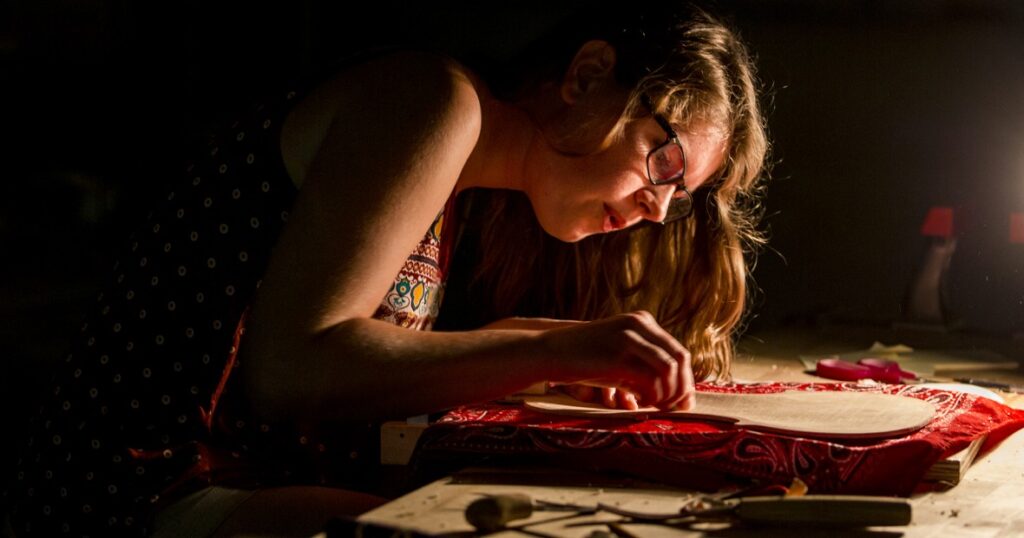
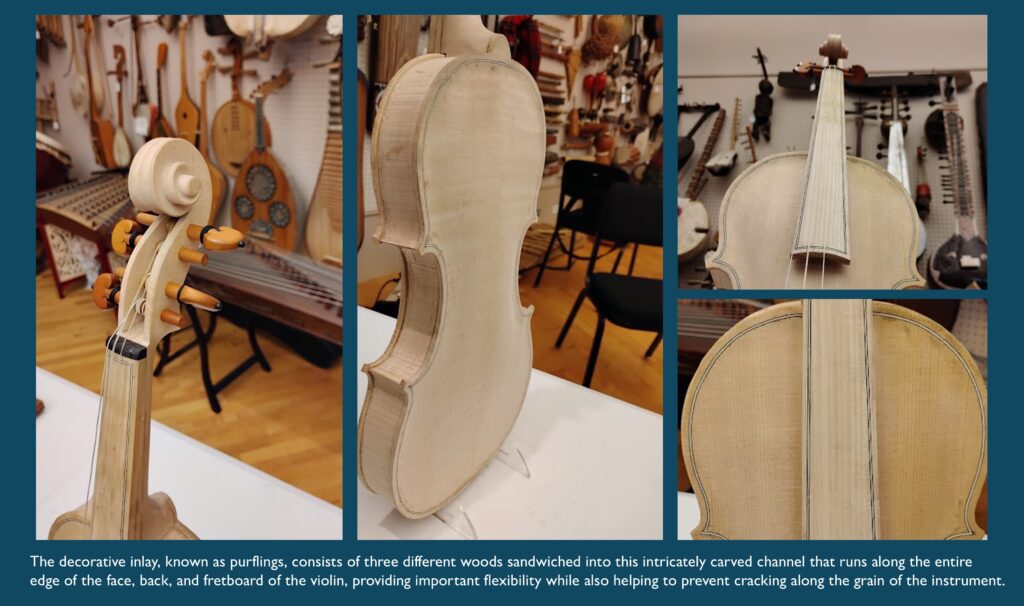
For this Archive Alcove post, we wanted to focus on one revealing artifact in the college’s collection that illuminates some of the creativity, passion and expertise that Prof. Brown brought to her work with students. The violin (pictured here) is a special instrument that was carefully crafted during a summer MAP by one of her students, Katie Krainc ’17, who wanted a project that would tie together her interests as a Physics and Music major. The challenge of crafting such an instrument—modelled on the baroque violins made by famed Cremona luthiers like Amati and Stradivarius—required complex craftsmanship married to an understanding of acoustics, geometry, and musicology. “To me, this is a model kind of MAP,” Prof. Brown explained in an interview at the time. “It’s taking academic knowledge and historical research and applying them practically to the process of making the instrument. And then, the ultimate test is the music it can make. To me, it’s totally perfect.”
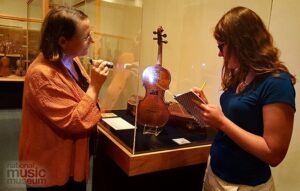
 

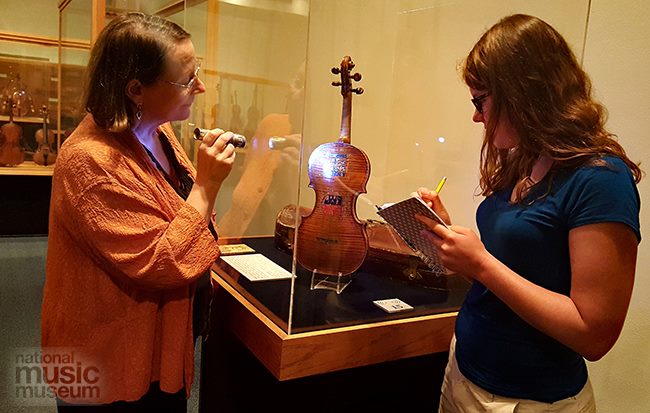
Prof. Brown and Katie travelled to the National Music Museum that summer to study, up close, historic examples that would serve as models for the violin (pictured here). Ultimately, the violin became part of the larger collection of historic instruments used by Collegium Musicum, the college’s early music ensemble that Prof. Brown created and directed. In that sense, it represents the larger legacy of instruments and scores, people and performances, that will live on as a testimony to Prof. Brown’s impact at Grinnell.
Those interested in learning more about the college’s fascinating collections of musical instruments are encouraged to visit their website:  https://omeka-s.grinnell.edu/s/MusicalInstruments/page/welcome

To learn more about Collegium Musicum, including an inventory of the early instrument collection, you can visit:https://www.grinnell.edu/academics/majors-concentrations/music/ensembles/collegium-musicum

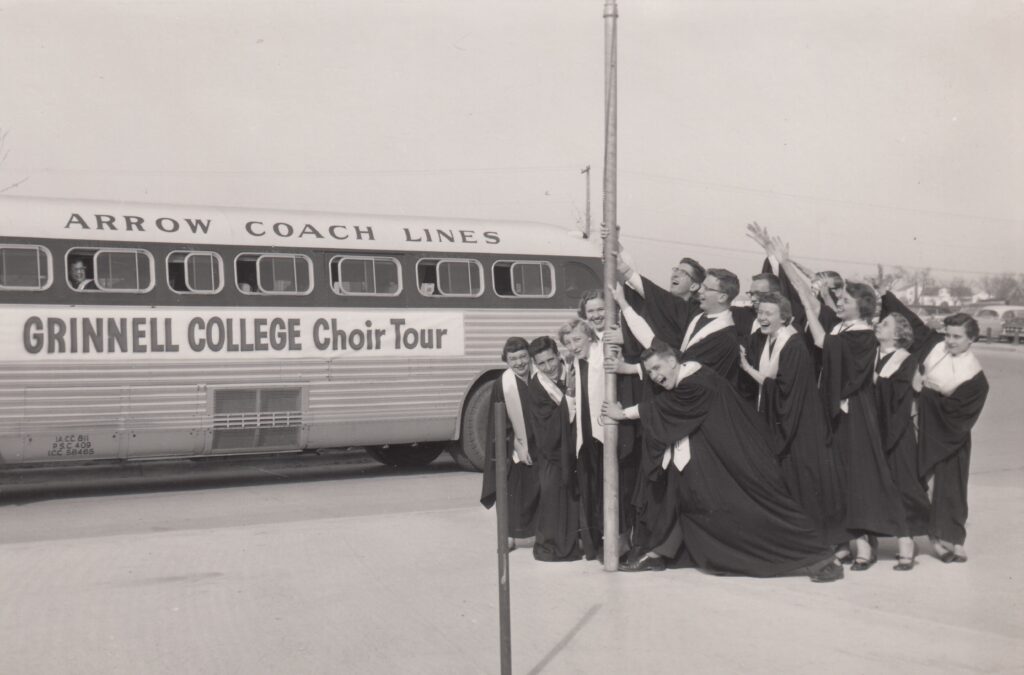
The Grinnell Choir Hits the Road, Fall Break,1955

This photograph, taken by Grinnell alumna and long-time resident, Joanne Bunge, captures the Grinnell Choir on their Fall Break tour in 1955, travelling through Iowa, Nebraska, and Minnesota.

Make sure to enjoy your fall break, next week!!

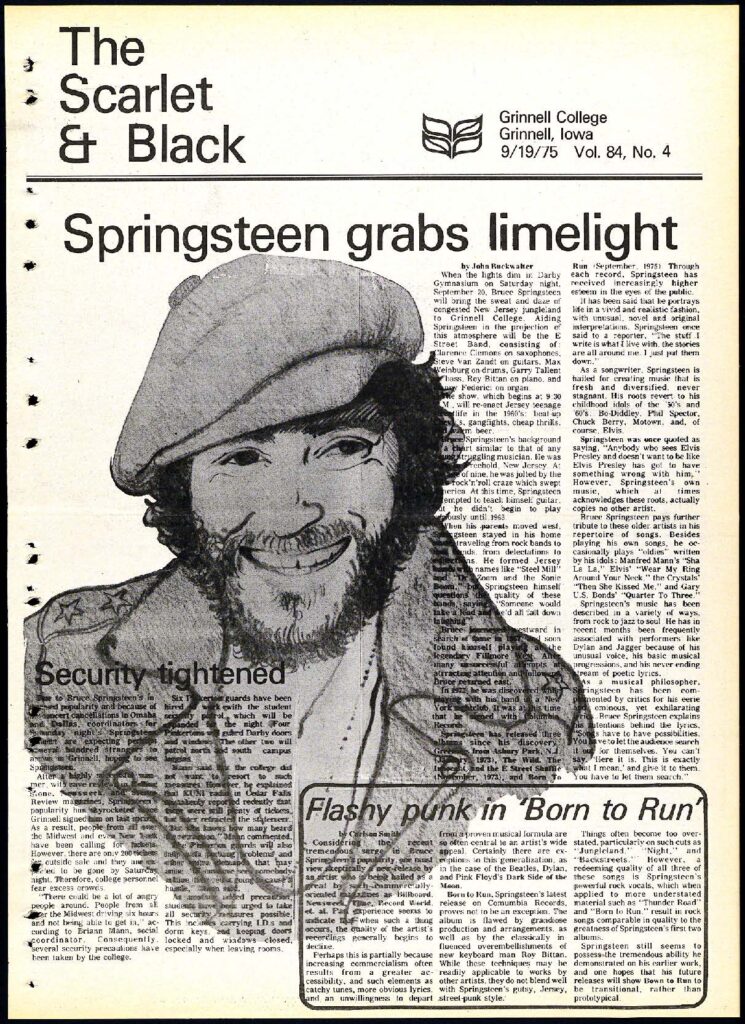
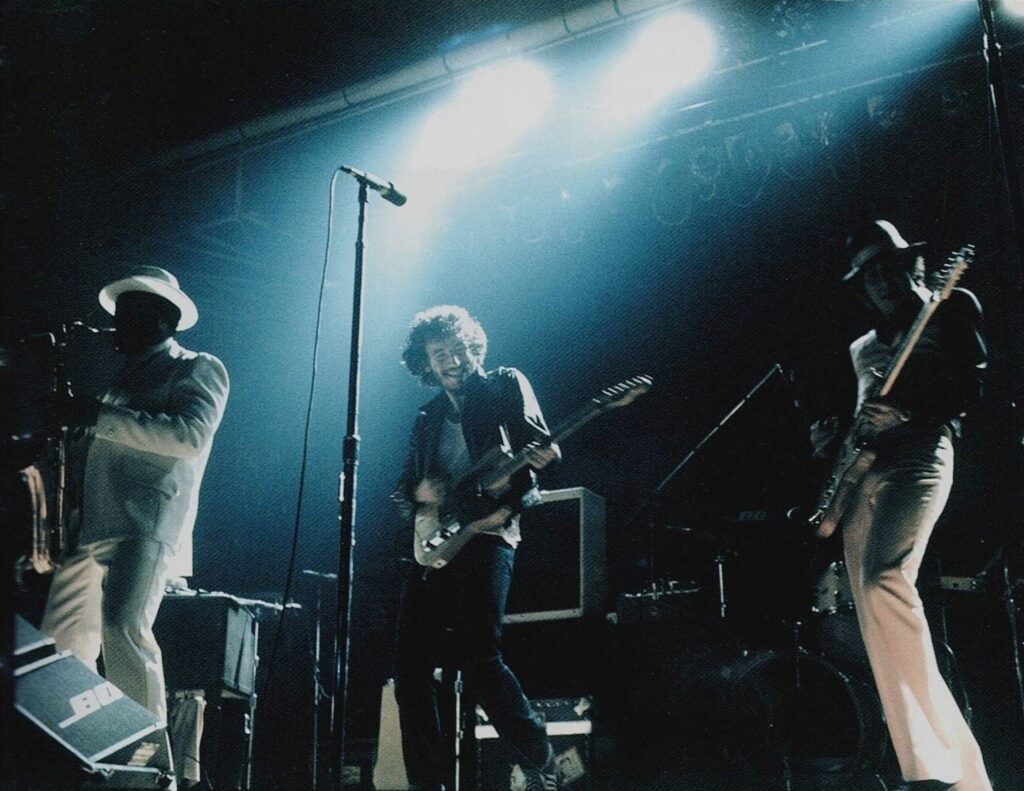
Bruce Springsteen’s Grinnell Concert, Fall 1975

S&B Sept 1975 Springsteen Cover

Bruce Springsteen Concert at Grinnell, Fall 1975

50 years ago, Bruce Springsteen and his E Street band came to campus to perform in front of a packed house in the old Darby Gymnasium.  Springsteen, whose career was just taking off that Fall, with the August release of his successful Born to Run album, was one of the more than 1,000 concerts that Georgia Dentel organized in her 40+ year career at college, overseeing performances and events. Dentel’s career has been the recent focal point for a series of group MAP projects, over the past two summers, in which Grinnell students have carefully reconstructed her life, work, and musical legacy.

The set list for the September 20th concert at Grinnell was:

  • Incident on 57th Street
  • Tenth Avenue Freeze-Out
  • Spirit in the Night
  • It’s Hard to Be a Saint in the City
  • Thunder Road
  • Kitty’s Back
  • She’s the One
  • Born to Run
  • Rosalita (Come Out Tonight)

Encore

  • 4th of July, Asbury Park (Sandy)
  • Quarter to Three

Clarence Clemons (sax), Springsteen and Steve Van Zandt (guitar), Darby Gymn, Sept. 20, 1975

While there is no known recording of the Grinnell concert, you can listen to the live set Springsteen played (later in the Fall) at the University of Iowa’s Hancher Auditorium (available at the Springsteen Archives on Youtube): https://youtu.be/H9BsJXUt0EQ?si=MY5LcAtWb0gQqELF 

May Pageantry

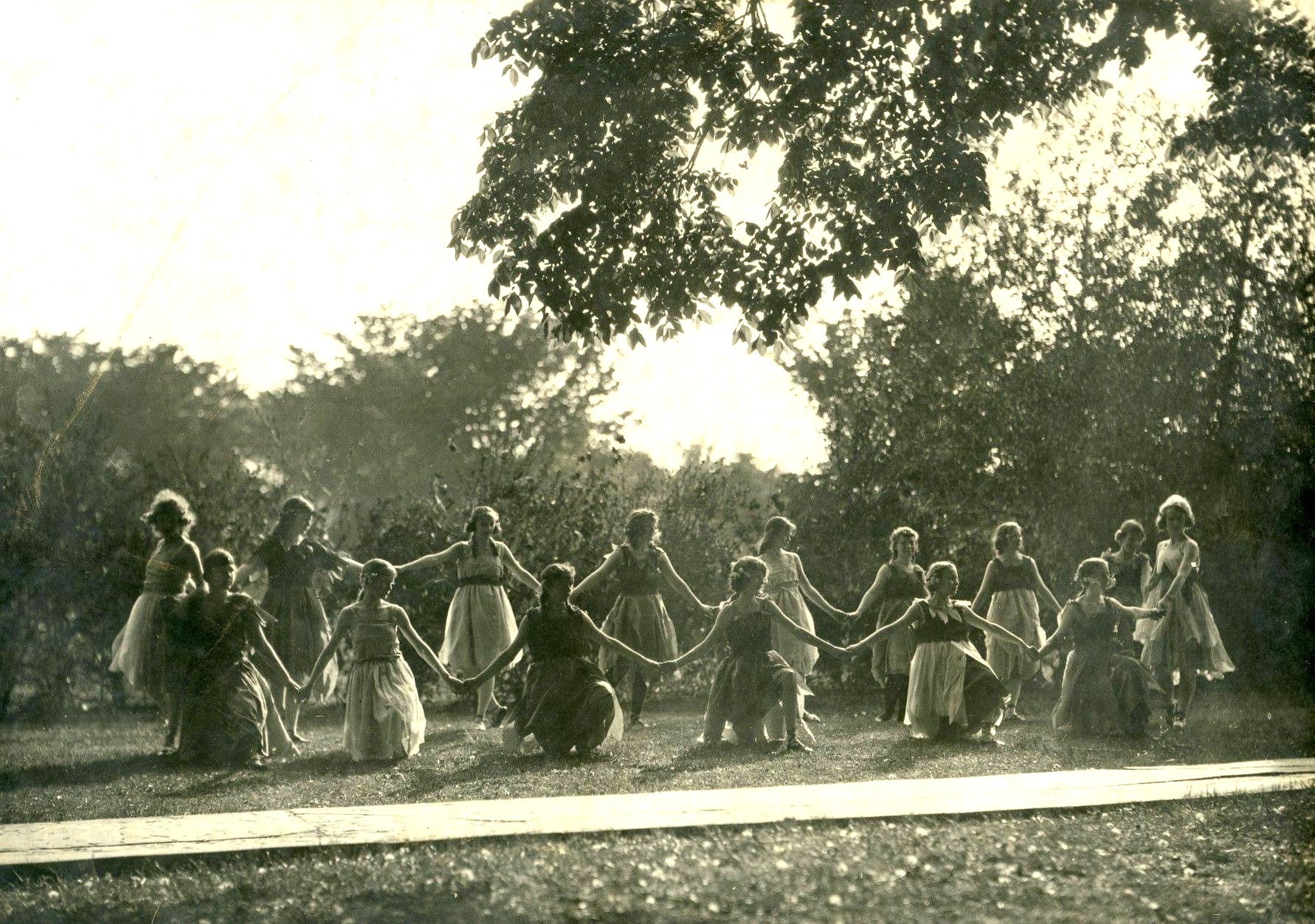
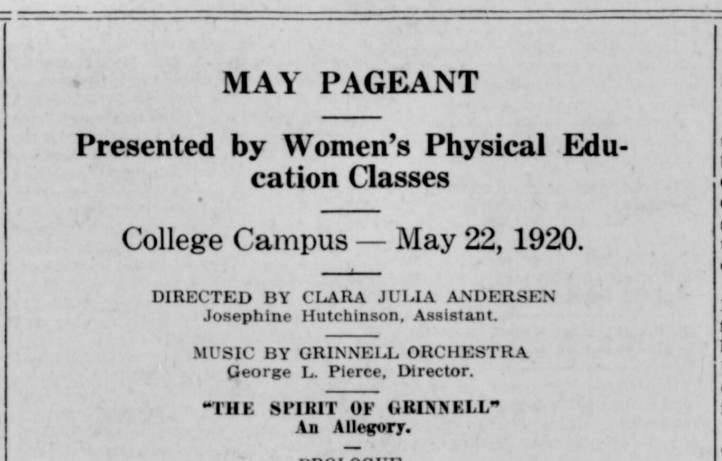
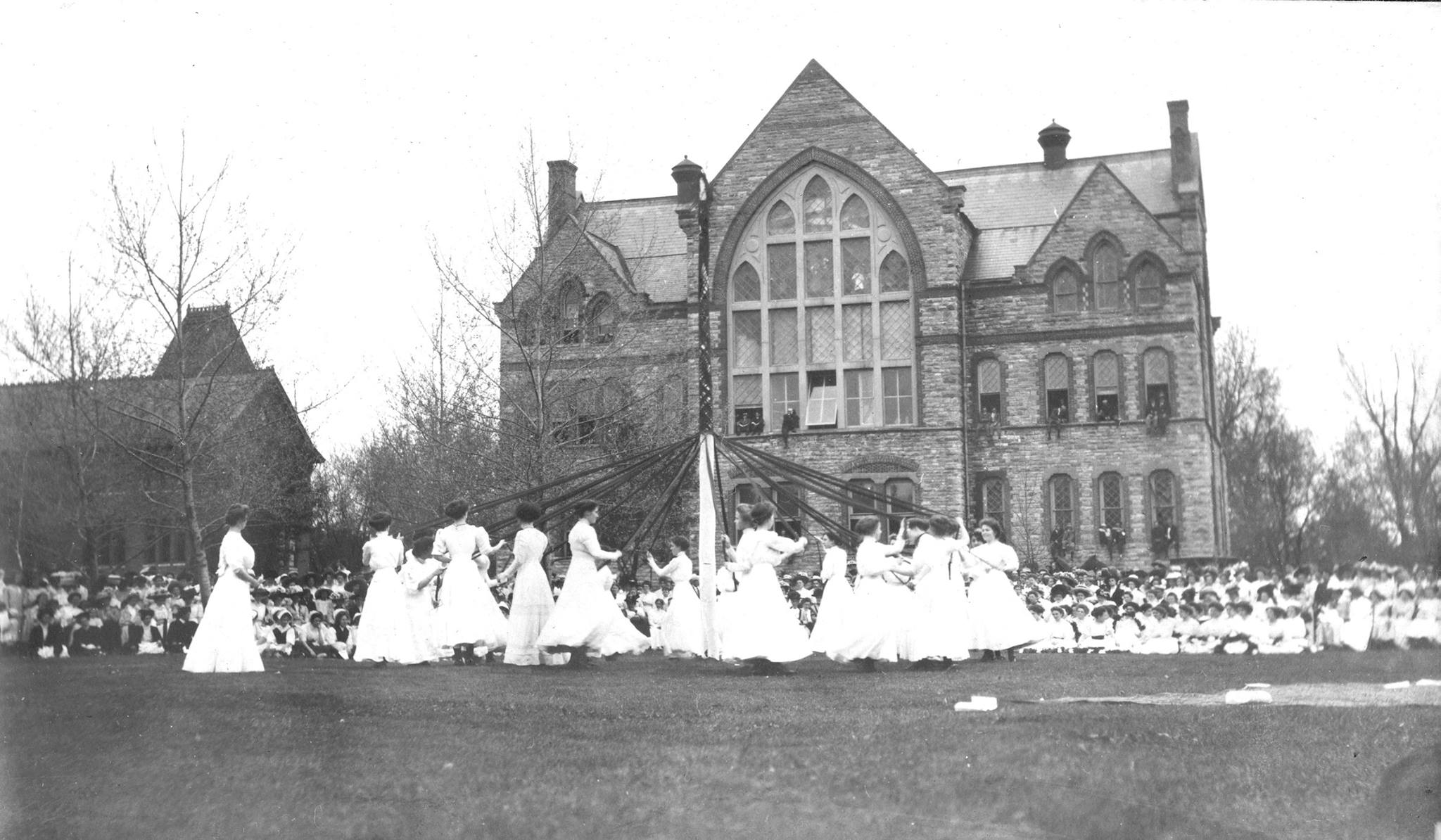
On May 22, 1920, the members of the Women’s Physical education classes performed an elaborate allegorical pageant, entitled “The Spirit of Grinnell,” on the campus grounds.  Accompanied by the Grinnell Orchestra, the pageant aimed to tell the story of the College in 5 stages:

1.) “The Spirit of the Prairie” (pictured above)

2.) “The Spirit of Education” (which depicted the founding of the college)

3.) “The Cyclone”

4.) “Grinnell’s Part in the Great Wars” (i.e. Civil War & WWI)

5.) “The Hope for the Future of Grinnell.”

According to the program, the dancing captured in the photograph above–from the prologue, the “Spirit of the Prairie”–was performed while the orchestra played portions of Charles Gounod’s 19th-century grand opera, Faust.

I’ll Take You There: The Staples Singers at Grinnell

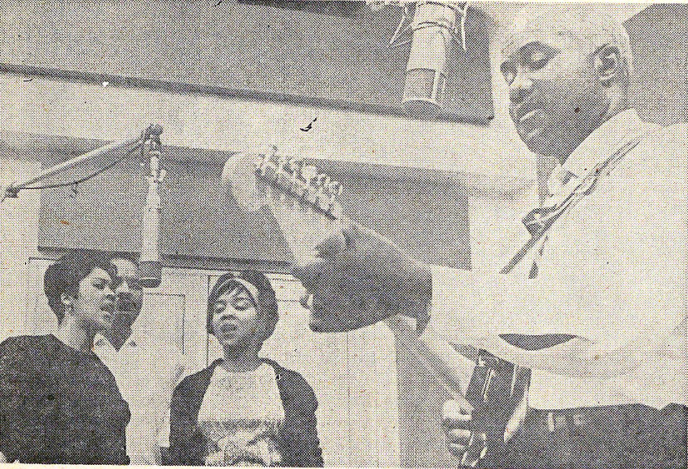
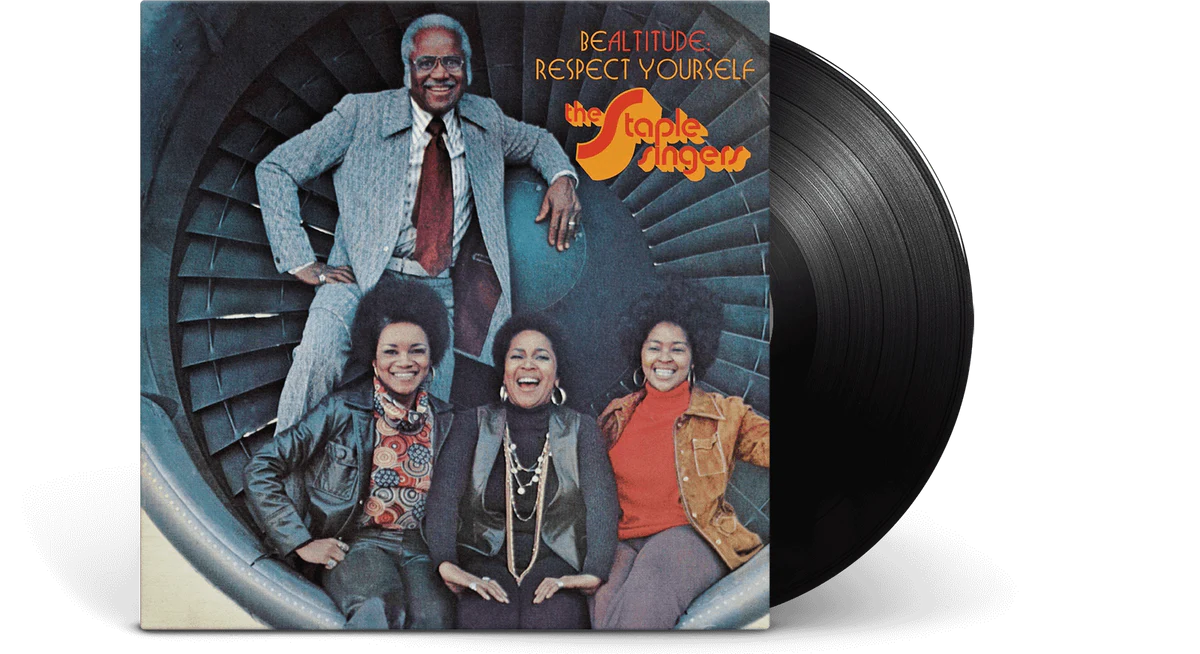
In the 1960s and 1970s, Grinnell had a national reputation for securing some of the best musical acts in the country, by finding talented performers who were on the cusp of breaking through to stardom (due to the legendary work of Georgia Dentel, the “activities counselor” who managed the events programming throughout this period). One  example of this was the Staples Singers, who played Darby Gym on February 17th 1964 (pictured here from the S&B).  In the 1950s and early 60s, this family act had established a name for itself in Gospel circles, but was just beginning to develop cross-over appeal to audiences more attuned to the new sound of “soul” and R&B. In 1965, the group gained more national attention with the release of Freedom Highway (an album that engaged heavily with the events of the civil rights movement) and then signed with Stax Records, in Memphis TN, where they became leaders of the soul movement of the late 1960s and early 1970s (alongside other Stax artists like Isaac Hayes, Sam and Dave, Eddie Floyd, William Bell, and Wilson Pickett).

The Christmas Season 70 Years Ago

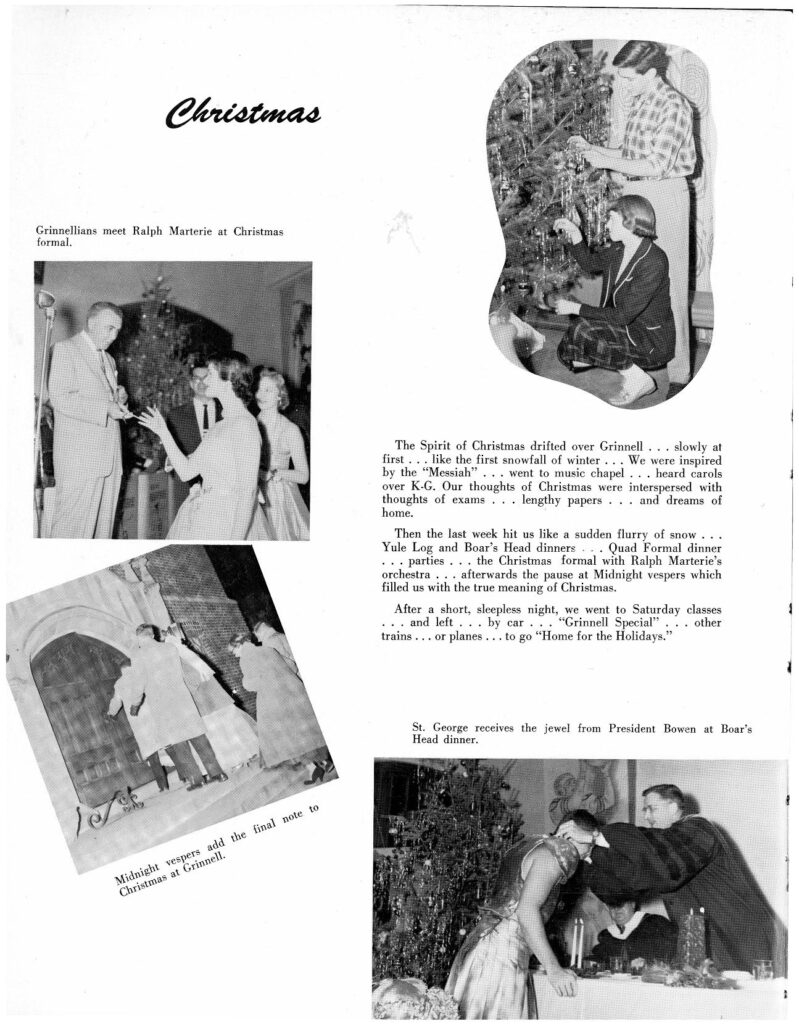
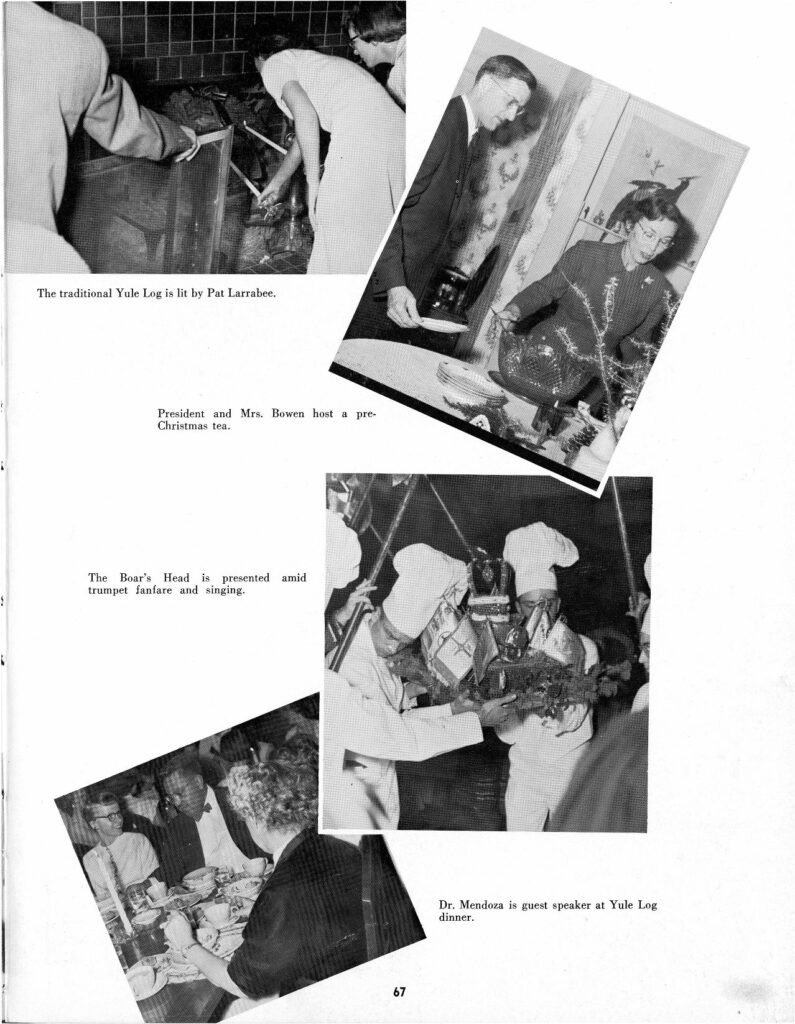
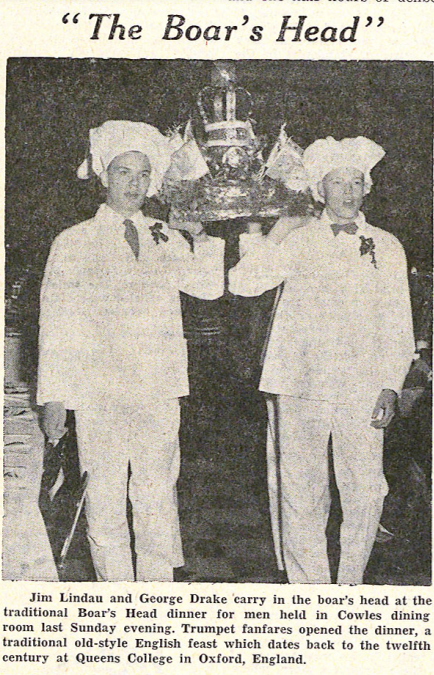
As you can see from these pages in the Cyclone yearbook, the Christmas season used to be packed with even more social events in year’s past: including several festive dinners (the Yule Tide dinner, the Boar’s Head dinner, the Uncle Sam’s Club dinner); several balls & concerts; all leading up to a dramatic, candle-lit vespers service in Herrick Chapel at midnight to mark the end of the semester.  We’ve also included an image from the 1954 Boar’s Head dinner (from the S&B) that features our friend and colleague, George Drake ’55.

May Day at Grinnell

May Day Festivities, 1913

In 1909, the college began hosting an annual “May Fete” or “May Day” celebration, organized by the Women’s Athletic Association. The event would begin with a procession around the campus, led by a trumpeter (dressed in medieval livery), then the College marching band, followed by all seniors wearing their caps & gowns, followed by the elected “May Queen” and her court, then the juniors, followed by the sophomores, followed by the freshman (students from each class were dressed in a different types of folk costumes or gowns), all carrying elaborate flower garlands. A Maypole was erected in central campus, in front of Blair Hall (as seen in this picture from 1913), and different classes took turns “winding” the red & black streamers around the pole, dancing to particular songs played by the college band, accompanied by the glee club. There were also a series of elaborately choreographed “flower drills,” that are frankly mysterious to the 21st-century observer, but which contemporaries found captivating. The May Day festivities of 1913, pictured here, also included groups of local school children who dressed as butterflies, violets, the four winds, and autumn leaves, each of whom danced with a specific class to represent a particular season of the year. It was one of the defining moments of the spring semester, during this era.

Powered by WordPress & Theme by Anders Norén