Tag: Art

Special Edition: Apollo, Artemis & the Artistic Perspective

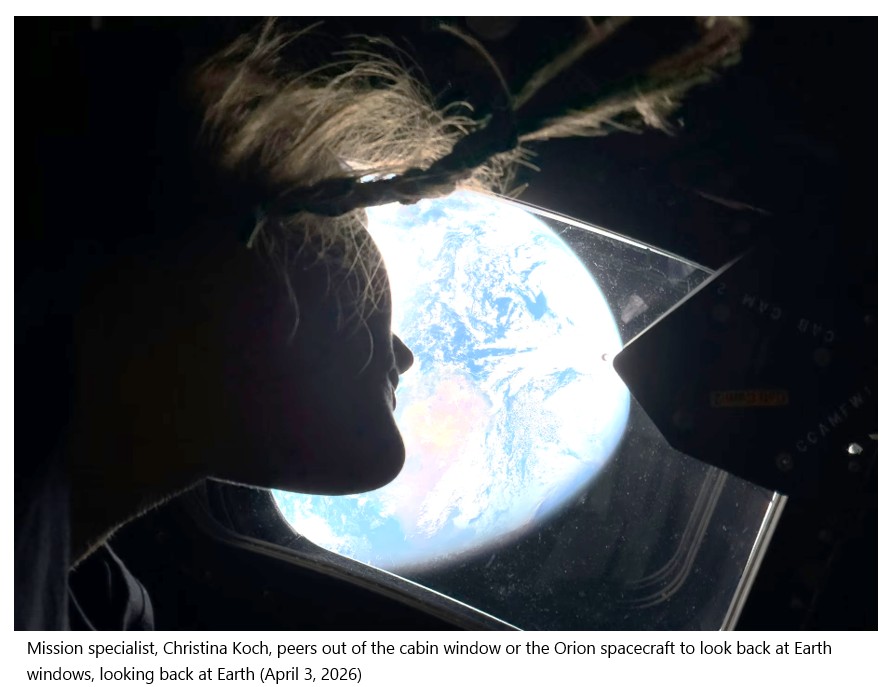
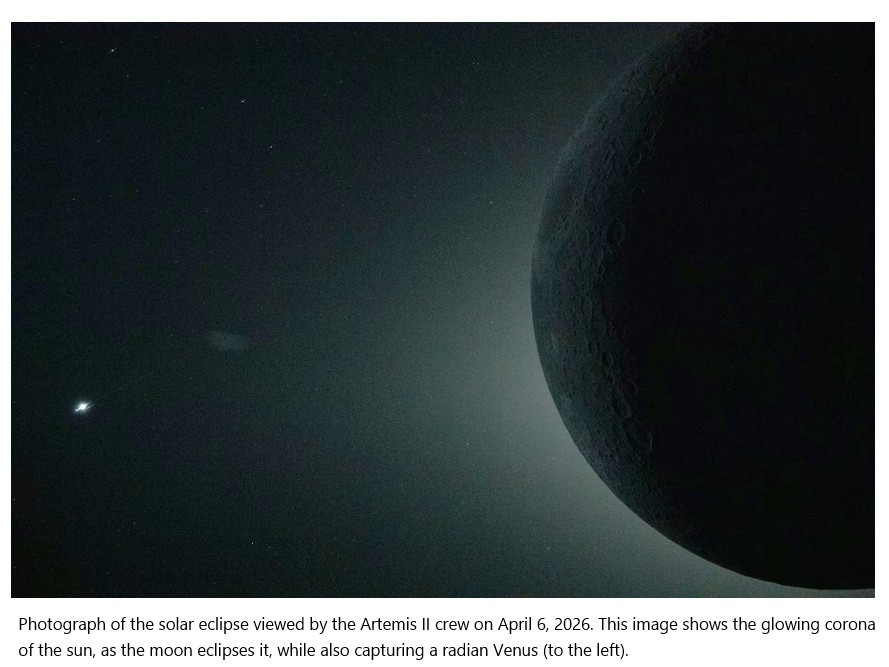
As the crew of Artemis II send back stunning images from their lunar orbit, it’s worth noting the role that visual imagery and the arts played in NASA’s original Apollo program, some 50 years ago. While iconic photos like “Earthrise” (1968) or “Blue Marble” (1972) dominate our visual memory of the events, NASA actually created a full scale arts program for the Apollo missions, reminiscent of the artistic projects of the WPA era. Curator of the National Gallery, Hereward Lester Cook, wrote to many top (and rising) artists, asking them to seize this historic moment to come down to Cape Canaveral to spend months observing and engaging with the Apollo program (Apollo 8-13), noting:

As Daumier pointed out about a century ago, the camera sees everything and understands nothing. It is the emotional impact, interpretation, and hidden significance of these events which lie within the scope of the artists’ vision.

Artists were given housing, stipends, and unfettered, behind-the-scenes access to NASA’s work. In all, the program attracted nearly 200 artists ranging from Annie Leibovitz and Andy Warhol to Robert Rauschenberg and Vija Celmina (even Norman Rockwell participated).

NASA selected some of the most evocative pieces of artwork to form a special exhibit, “Mission Apollo” that premiered at the National Gallery of Art, before travelling to select locations around the country.

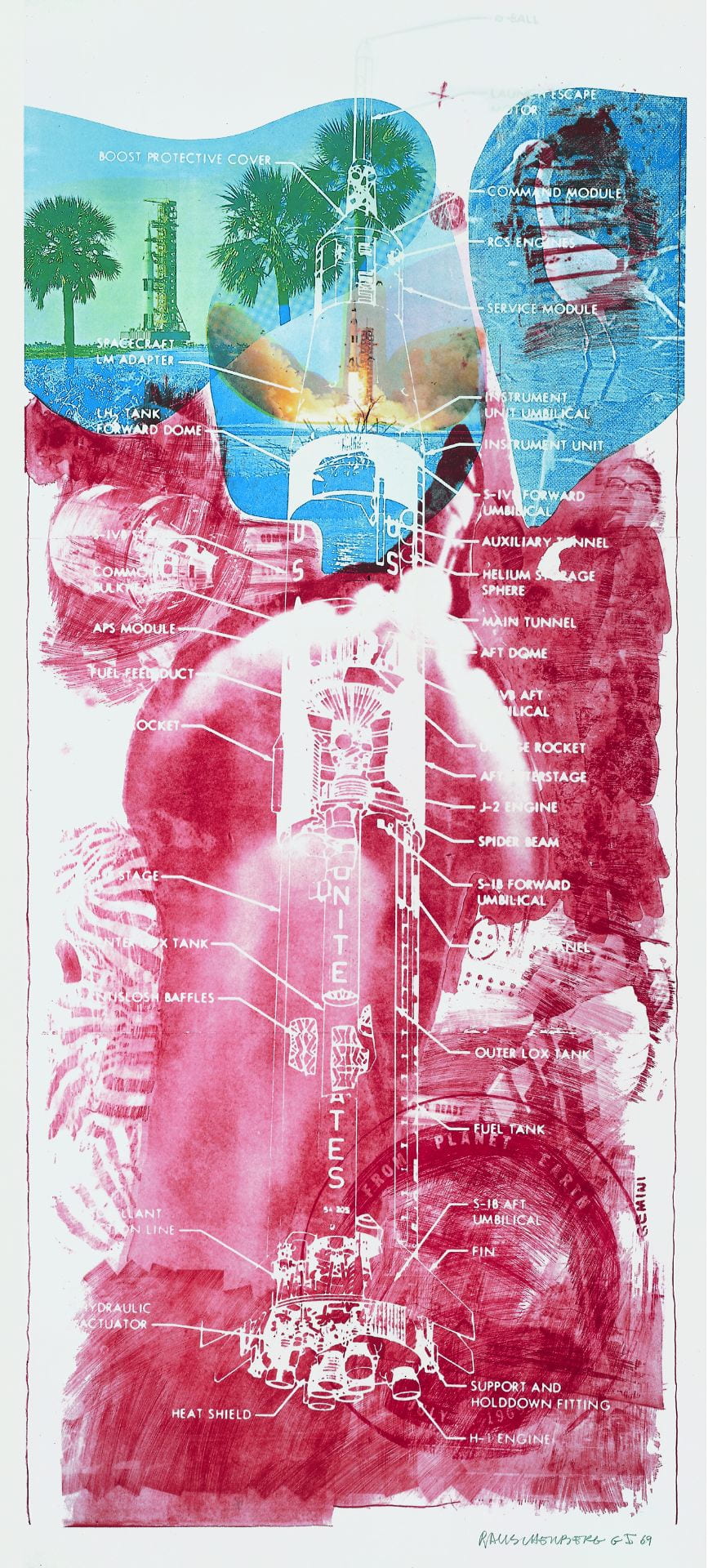
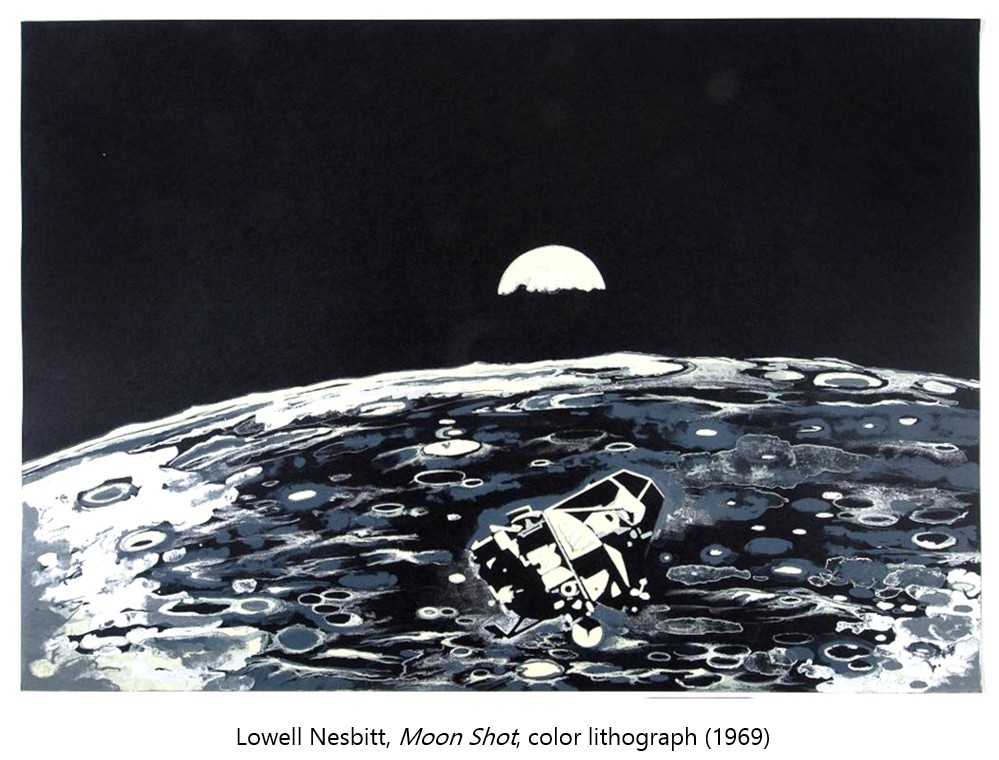
At the end of January, 1971, Grinnell College was fortunate to host that exhibit for a week, which contained nearly 50 paintings, drawings, lithographs, and watercolors, that went on display at the Fine Arts Center.  Pictured here are two items from that exhibit.
Robert Rauschenberg, “Sky Garden,” 1969, 6-color lithograph
The Sparkle of Summer

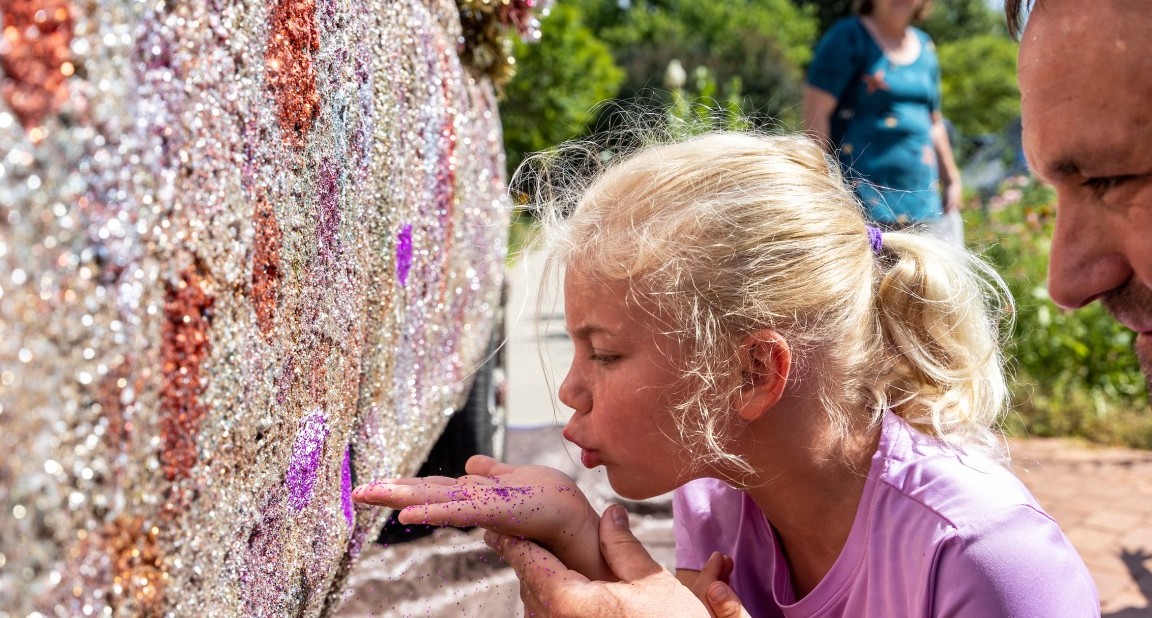
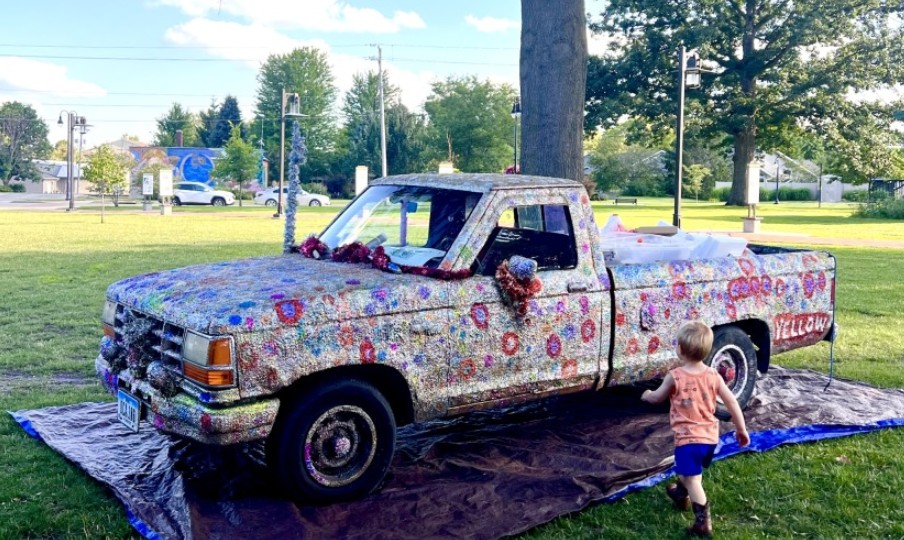
One of the delights of summer, in Grinnell, is seeing Tilly Woodward’s amazing “sparkle truck” around town. The 1989 Ford Ranger, is encrusted with layer-upon-layer of Elmer’s glue and glitter, put there by countless Grinnell children who have participated in the summer art programs sponsored by the Grinnell College Museum of Art and the Drake Community Library (Tilly is the museum’s curator of academic and community outreach).

Enjoy your summer! And don’t forget to make time for some wonder and sparkle while you’re at it.


What’s in a Name?: A Grinnell Artist Names a Mountain

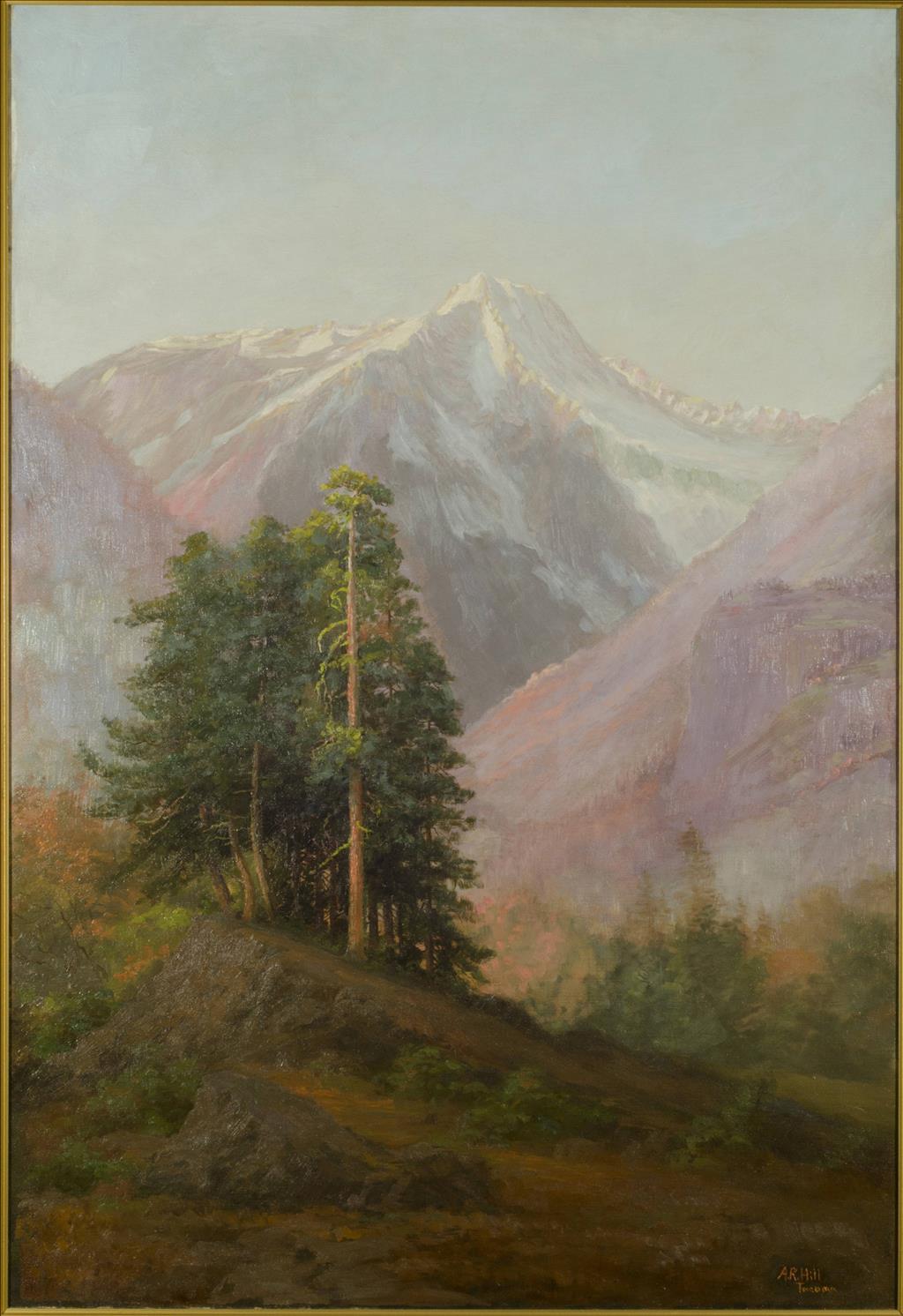
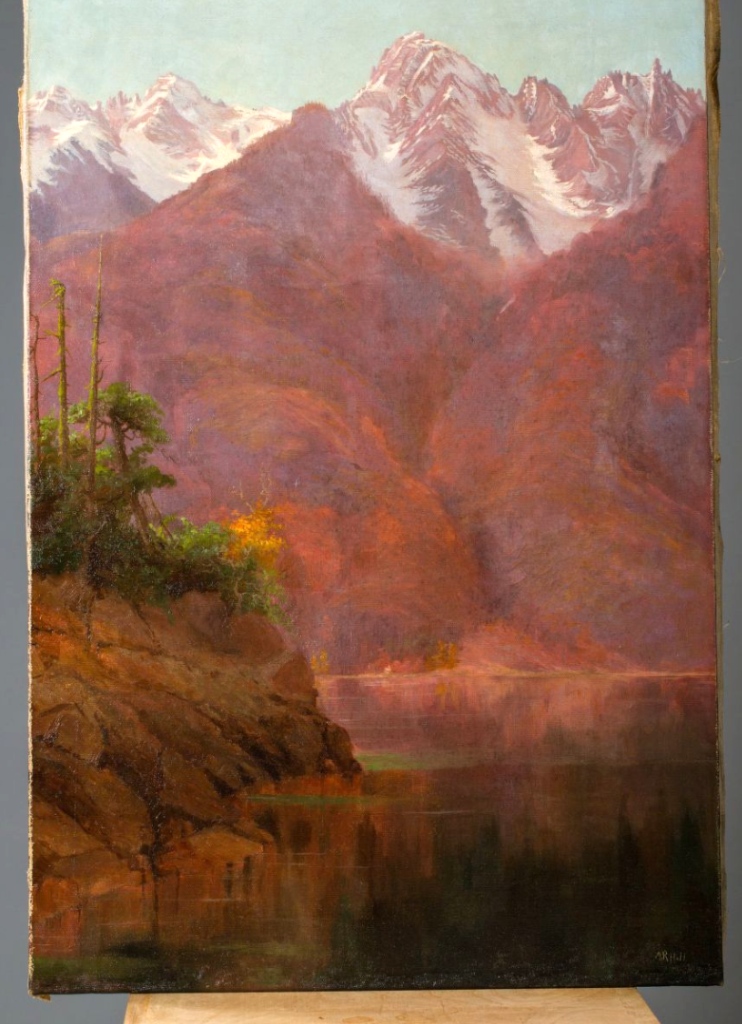
Mount Booker near Lake Chelan (1903) 29″ x 42″ (Collins Memorial Library, U. Puget Sound)

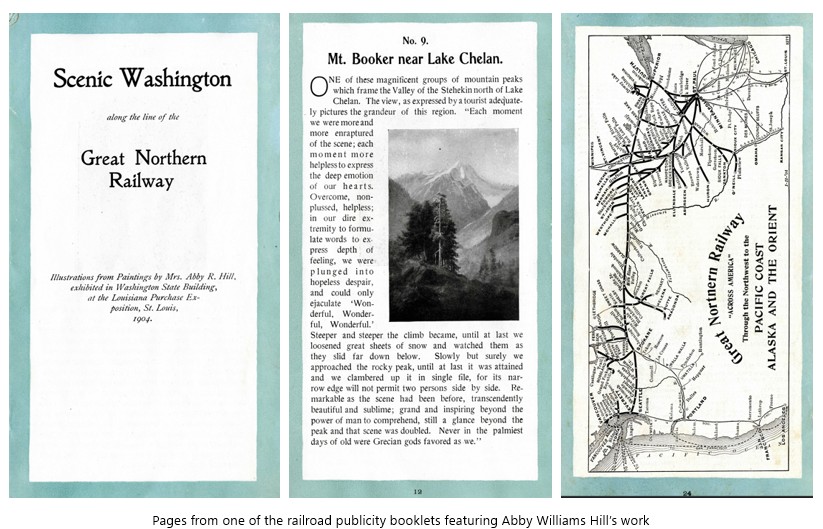
Abby Williams Hill ’07, who has been featured before, was one of the most prominent artists to come out Grinnell. Her collection of landscape paintings, from the early 1900s, portrayed the national parks and western landscapes to a wide public audience, being exhibited at the World’s Fair in St. Louis in 1904, and then published in serial form (subsidized by railroad companies eager to promote western tourism).

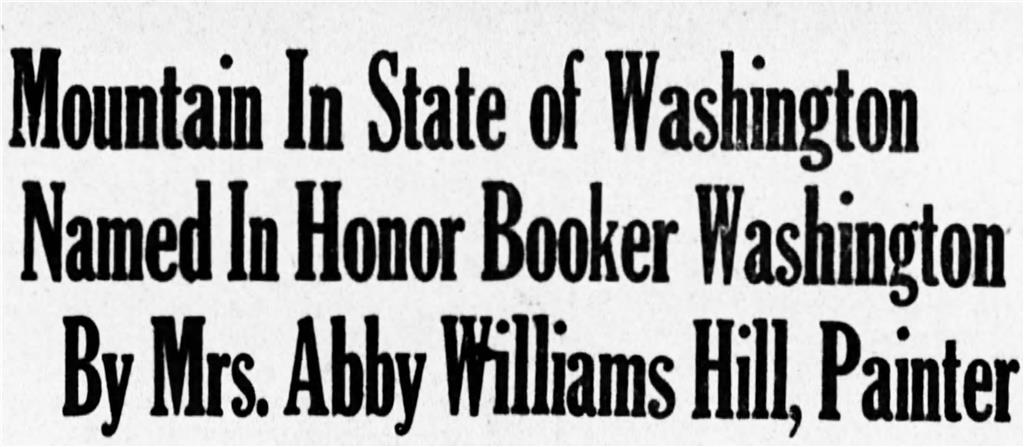
Hill was painting one particularly arresting peak, in the Cascades in 1903, when she was surprised to learn that no one knew of a name for that specific mountain.  She wrote to the U.S. Geological Survey, which reported back (to their own surprise) that it was one of the few peaks that had not been assigned an official place name, a toponym, in their records. So they gave Hill the opportunity to choose its official name. She wrote back saying that she would like it to be named after Booker T. Washington, someone she admired deeply. Only a few years earlier, Hill had taken her four children on a whistle stop tour of Progressive America, visiting prominent reform sites such as Jane Addams’ Hull House, in Chicago, and Booker T. Washington’s Tuskegee Institute, in Alabama, where she spent a considerable amount of time in the company of both Booker and Margaret Murray Washington.

When interviewed by a New York newspaper about the name choice, Hill explained:

Here was a glorious monument not made by the hand of man but carved by the Almighty. What could be more fitting than to name it for one of the most truly great men of our times… When we look at Mt. Booker let us be thankful for Booker Washington’s life, for what he did to solve seemingly impossible problems… His influence like the stream from the mountain will go on through the ages to bless and help mankind.

Naming a mountain after an African American stirred some controversy in the press, , as Grinnell’s local newspaper, the Herald, explained:

This aroused negro-phobia into activity. The name became a red rage for anti-negro venom. Choice epithets easily imagined, fell in a shower of mud around her [Abby Hill]; an effort was made to change the name. The Government at Washington was consulted but only to learn that the name was given by authority, was a matter of record, and could not be changed.

In Grinnell, Booker T. Washington was a widely admired figure, invited twice to speak to the Grinnell community, and the subject of many talks and papers on campus during this period.


Abby Williams Hill (’07)

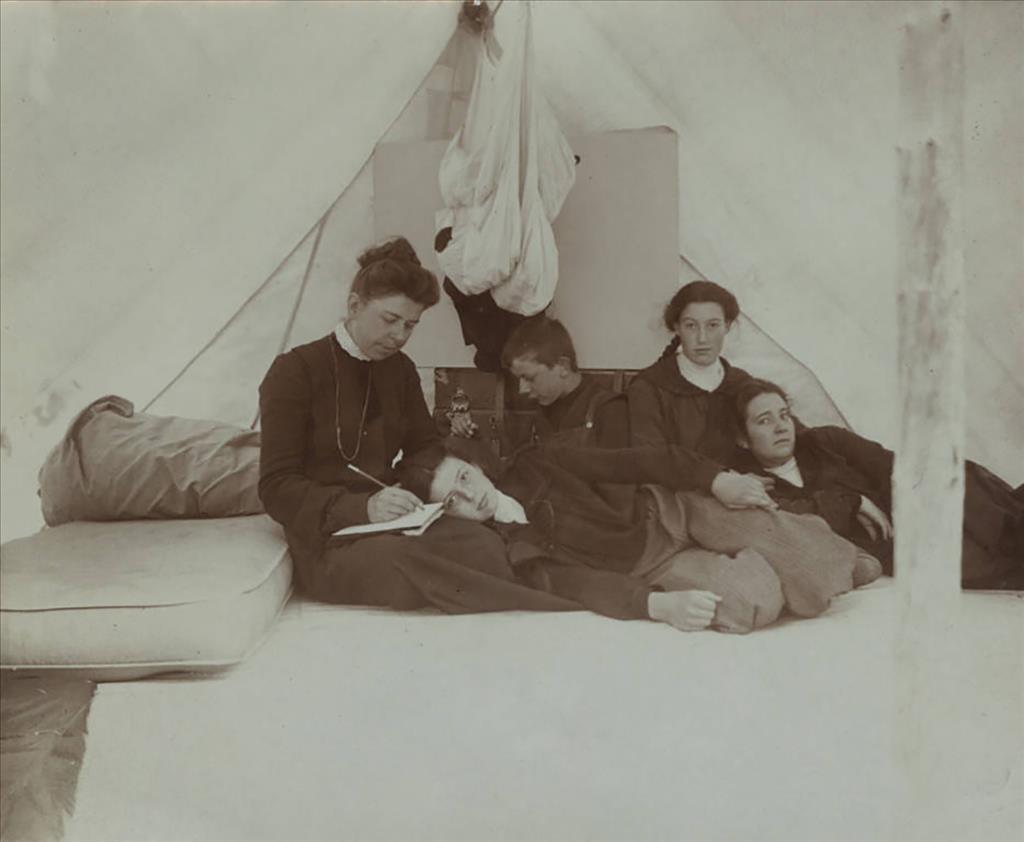
Abby Rhoda Williams Hill (1861-1943) grew up in the town of Grinnell (her parents being some of the first settlers who arrived with J.B. Grinnell in 1854). Hill loved drawing and painting from an early age: she taught local art classes, studied art at the college, and then travelled to Chicago, New York, and Hamburg (Germany) for more formal training. She returned to Grinnell to teach briefly at the college; but then moved to the Seattle area where she gained a national reputation for painting western landscapes after being commissioned by the Great Northern Railway to do a series of plein air landscape paintings of national parks and scenic areas served by the railroad. These paintings were displayed at the Word’s Fair, to much acclaim, and were made available to a wider public in the form of a popular booklet. Hill went on to paint hundreds of landscapes throughout the West, and always brought her children camping with her for these extended en plen air sessions (pictured below). Her journals describe many family adventures: evading forest fires, negotiating with bears, avoiding rattlesnakes, and one particularly harrowing encounter with a mountain lion that chased them. Despite making a home in the West, Hill returned frequently to Grinnell to visit family, friends, and members of the college community. She donated several works to the college (see below) and to the Stewart Library, in town.

Painting by Abby Williams Hill (’07) that was donated to the College. It used to hang prominently in the Old Library, Carnegie Hall, along with another of her landscapes.

Abby Williams Hill, with her four children, on a plein air excursion to Yellowstone National Park (c. 1906)


Powered by WordPress & Theme by Anders Norén