Tag: African-Americans

A Fateful February: The Busy Agenda of W.E.B. Du Bois in Feb 1905

Note: this is a postscript to the previous week’s topic (about Du Bois’ 1905 lecture at Grinnell).


In the summer of 1904, W.E.B. Du Bois agreed to give a lecture in Grinnell as part of the community’s Y.M.C.A lecture series. The talk would be part of a larger Midwest speaking tour in January and February of 1905, taking Du Bois to various communities in Illinois, Wisconsin, and Iowa.

Yet, the first two months of 1905 proved to be some of the most consequential weeks in Du Bois’ career. Dismayed by the accommodationist stance of Booker T. Washington, and the hard-ball tactics of his “Tuskegee Machine,” Du Bois chose this moment to publicly break with Washington. In January, he published an article, “Debit and Credit” in The Voice of the Negro magazine, accusing Washington of systematically bribing the African-American press to silence his critics. The essay set of a firestorm of controversy, with Du Bois’ receiving numerous letters in February asking for proof or further comment. While travelling to and from Grinnell, for example, Du Bois was drafting letters to Oswald Garrison Villard, the powerful editor of the New York Evening Post, explaining his accusations, while also writing to his friend, William Monroe Trotter (editor of the influential Guardian paper) to provide more concrete evidence to satisfy skeptics. The controversy served as a sort of Rubicon, pushing Du Bois to turn this growing rift into an official break—Du Bois resigned from several Washington-allied organizations in February, such as the “Committee of Twelve” and the Afro-American Council (AAC).
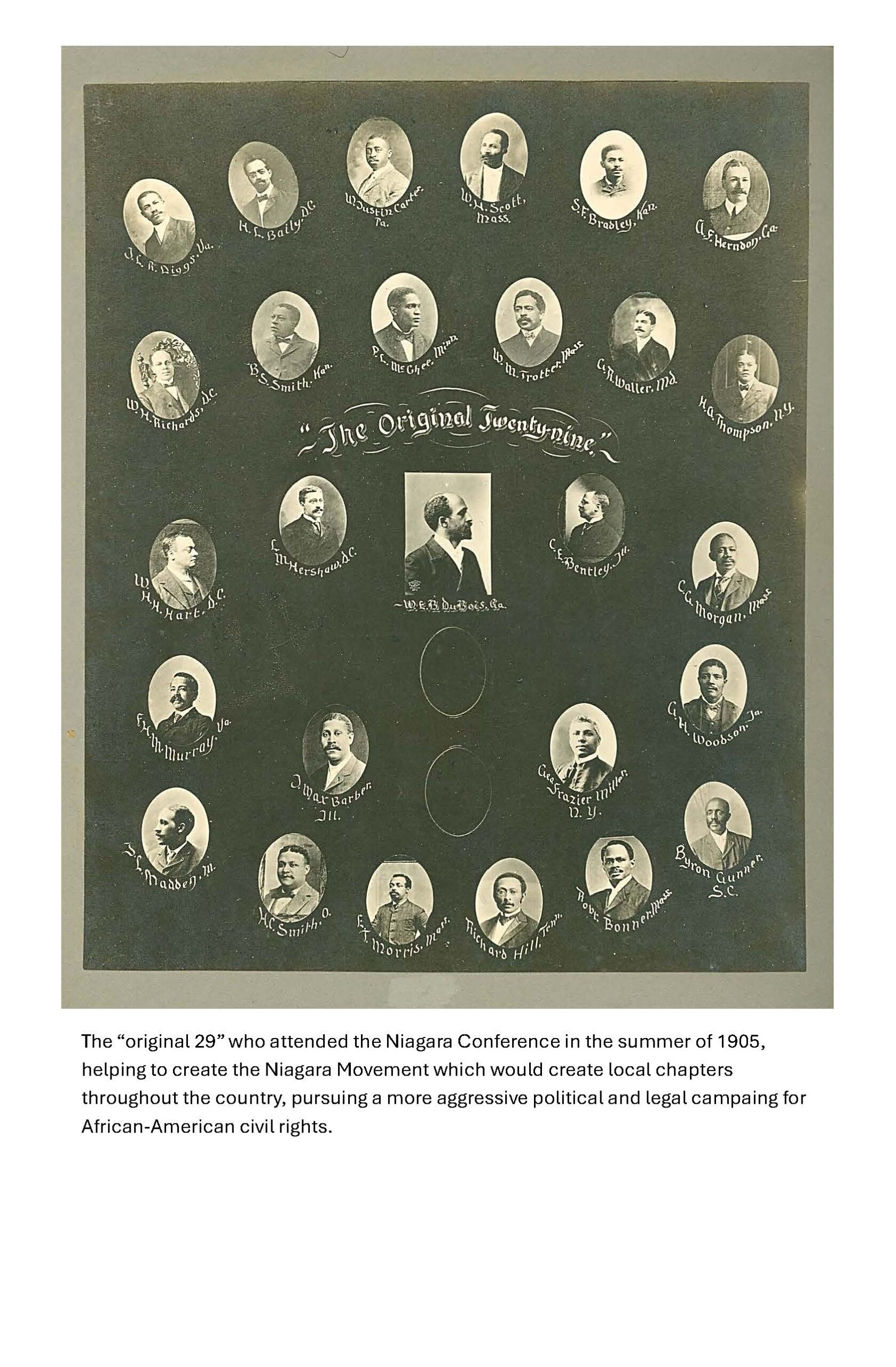
It was during this period—February of 1905—that Du Bois and a few of his close associates held key meetings to launch a new, and more aggressive, civil rights organization, which would culminate in the Niagara Movement (named after the conference, that summer, held near Niagara Falls). Because the Niagara Movement would lay the groundwork for the creation of the NAACP a few years later, historians have long been interested in tracing its origins. We know that one of these meetings was held around February 14th, when Du Bois was in Boston for a week of talks that were nestled between the Wisconsin and Iowa legs of his speaking tour (Du Bois was lecturing in Wisconsin until Feb. 6th, was in Boston from the 8th through the 15th, and then was supposed to start his Iowa tour at Grinnell on Feb. 17th). William Trotter, a leading critic of Booker T. Washington, assembled Du Bois and others for a meeting in his Boston home. Within two days, Du Bois was on a train to Grinnell, but snow prevented him from making the connection in Chicago on Feb 17th.  Sometime between Feb 17thand Feb 28th, Du Bois held another meeting in Chicago, coordinated by Charles Edwin Bentley, and a pivotal meeting in Buffalo, at the home of the civil rights leader, Mary Talbert, that developed the final blueprint for the Niagara Movement (that meeting was kept secret, to avoid “spies”, but we know it included Trotter, Du Bois, Bentley, Ida B. Wells, Frederick McGhee and others).  From there, Du Bois made an unexpected trip to the twin cities (Feb 26-28), to meet with Frederick McGhee to further develop plans for the summer conference.  And then Du Bois boarded a train from St. Paul’s to Grinnell to deliver his rescheduled lecture on March 2.

It appears, then, that the snowstorm and cancellation of Du Bois’ Iowa circuit came at a key moment when he was racing to organize this new political movement (although Grinnell audiences at the colonial theater would have had little clue about all these developments unfolding behind the scenes).
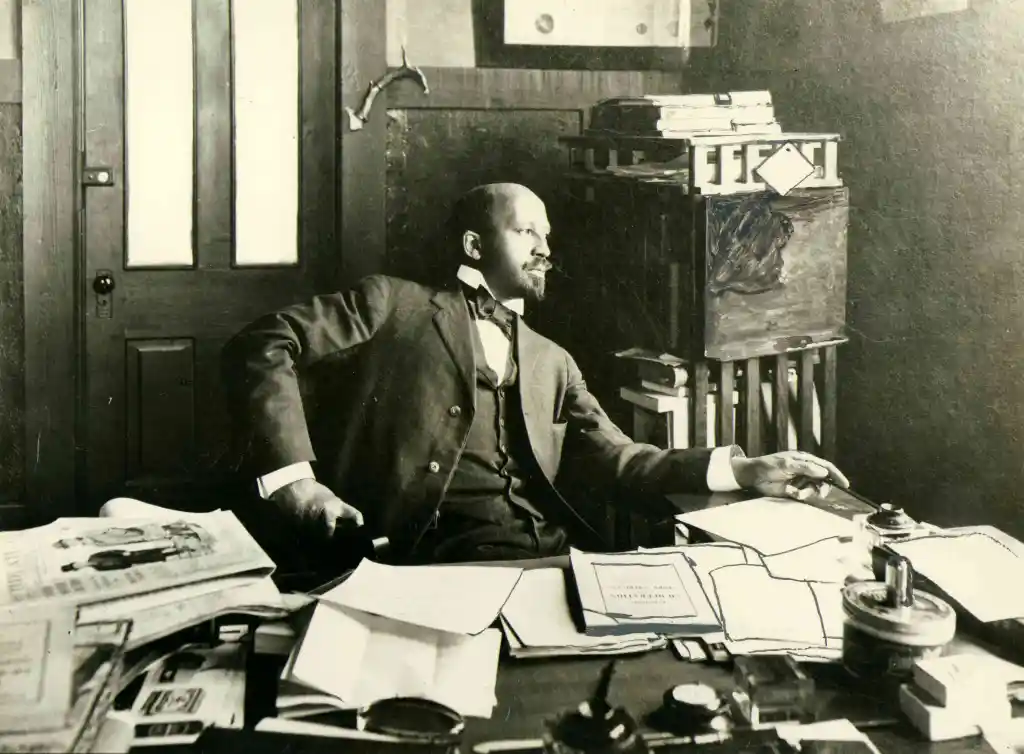
Visualizing The Color Line: W.E.B. Du Bois’ Grinnell Lecture (1905)

In the early 1900s, the Y.M.C.A. lecture series was an important institution in the shared intellectual life of Grinnell, bridging town and gown. Each year, a local committee of the Y.M.C.A. lined up a program of nationally renowned politicians, writers, musicians, orators, theologians, or performers who would appear monthly at the Congregational Church, or the Colonial Theatre (the two largest venues in town).

In February 1905, Grinnellians were looking forward to the next scheduled speaker in the “Y” series, the famed historian, sociologist, and intellectual, W.E.B. Du Bois. In fact, the prior speaker, Senator Robert LaFollete (a lion of progressive politics) had reportedly told the assembled crowd  “Miss anything else this winter, but do not miss hearing Professor Du Bois.” Unfortunately, a Valentine’s Day snowstorm cancelled Du Bois’ train (even back then, winter weather made scheduling visits and speakers a fraught endeavor). But the committee coordinated with Du Bois to reschedule his lecture for Thursday, March 2nd, when he spoke before “one of the largest audiences of the season.”

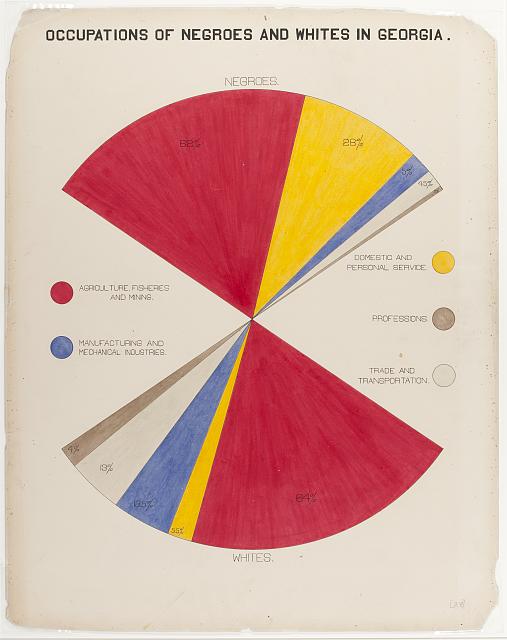
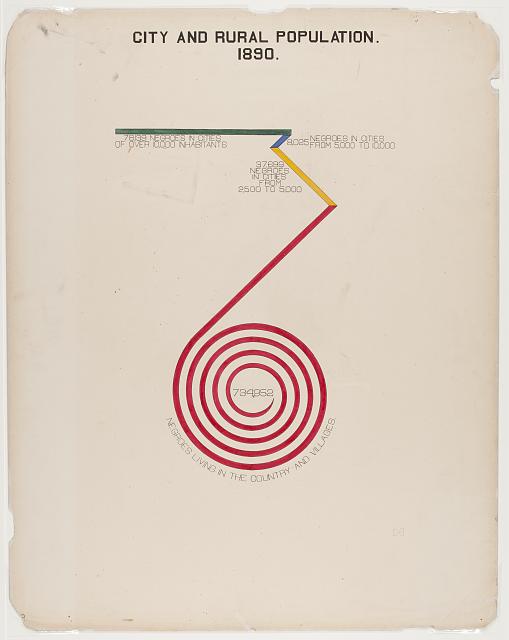
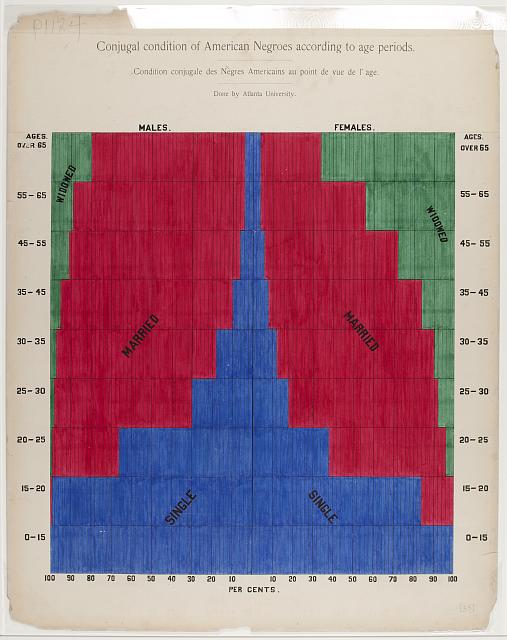
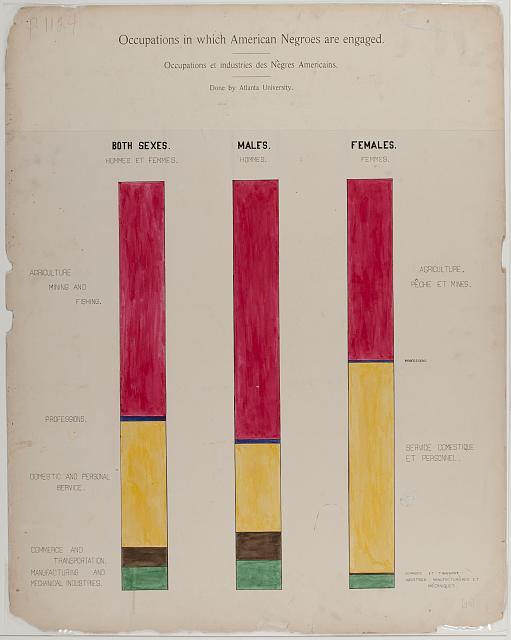
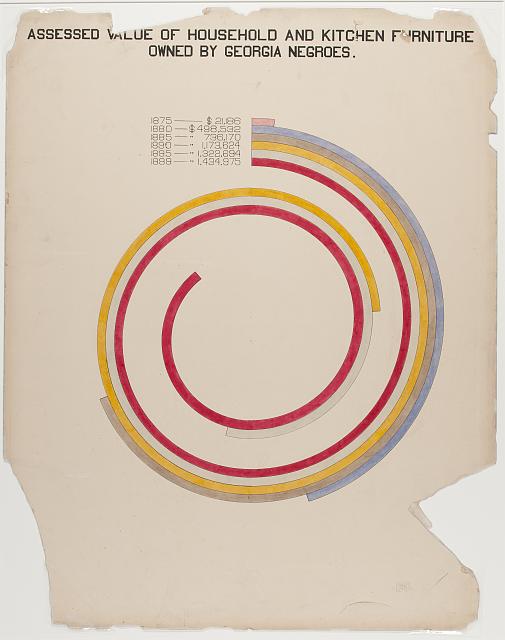
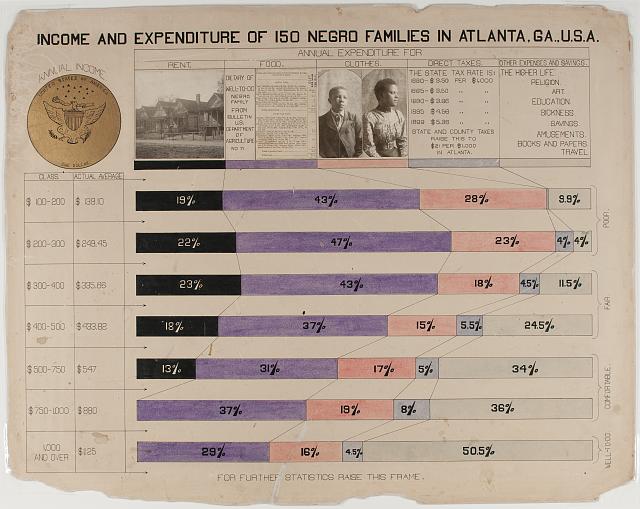
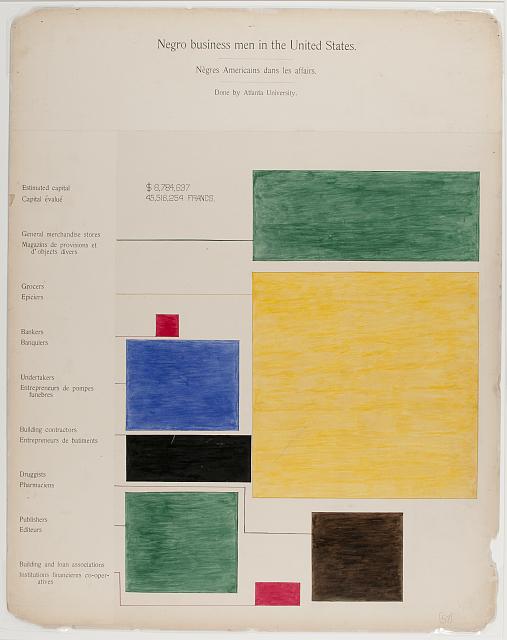
His address, entitled “The South and Its Problems,” focused on the systematic discrimination that African Americans faced in the Jim Crow South, and Du Bois illustrated these systematic consequences through a series of novel “charts…which greatly assisted the audience to a clear understanding of the importance of the problems and the direction recent developments have taken.” These colorful “charts” had been carefully created by Du Bois and his students at his Sociological Laboratory, at Atlanta University, where they creatively experimented with new kinds of data visualizing strategies that turned census data into evocative infographics. Each year, Du Bois and his students focused on a particular theme: in 1905, they were working on the issues surrounding health and medicine; the previous year had focused on crime; and other recent topics included Churches & Religious Life (1903), Work & Labor (1902), Education (1901), Business (1899), and Urban Life (1897).

Just a few years before his Grinnell lecture, Du Bois had showcased 63 of these prints—what he called at the time “data portraits”—at the Paris Exposition. Some of those items, pictured here, were likely featured in his Grinnell lecture at the Colonial Theater.

Today, Du Bois’s work in the field of data visualization has begun to receive much greater attention and recognition from scholars interested in reclaiming these pioneering forms of quantitative advocacy and graphic design. Those interested in seeing more examples can explore the full collection at the library of Congress; the 2023 exhibit at the Cooper Hewitt museum, Deconstructing Power: W.E.B. Du Bois at the World’s Fair; and the interactive website, The Du Boisian Visualization Toolkit.


Black Martyrs’ Weekend

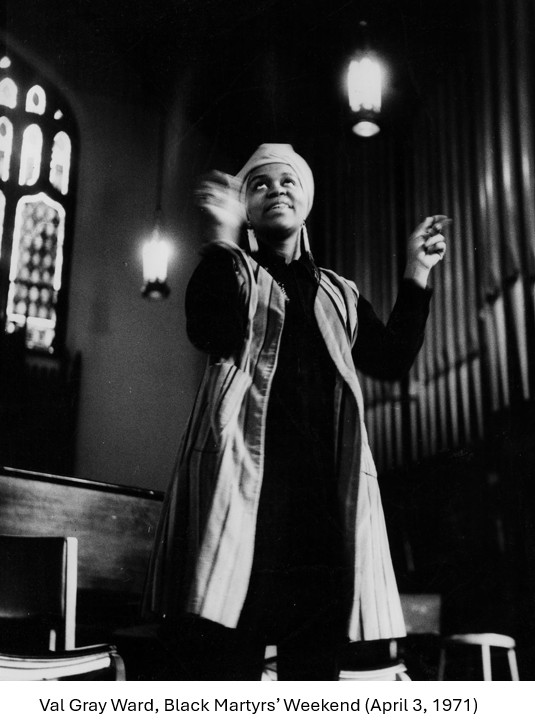
In the wake of Martin Luther King’s assassination, on April 4, 1968, the  Concerned Black Students organization (CBS), began planning a “Black Martyrs’ Weekend” that would commemorate the one-year anniversary of Dr. King’s death, the following spring. The first Black Martyrs’ weekend took place from April 3rd to the 6th (1969), and included a range of talks, performances, panels, and lectures honoring those who had died in the struggle for racial justice, while also educating the campus and community, more broadly, about Black culture and the continuing fight for equality. That year’s program included:

  • a talk by the head of the Black Student Party (from San Francisco State)
  • a panel discussion, “In Defense of Black People—The Black Panther Party” (led by members of the Des Mones Black Panther Party)
  • a lecture by Dr. Charles Nichols on “Martin Luther King, Jr. and the present American Mood,”
  • a performance of African dance by members of CBS
  • a concert by The Jackson Five
  • a screening of Martin Luther King’s speech, “Remaining Awake through a Great Revolution.”
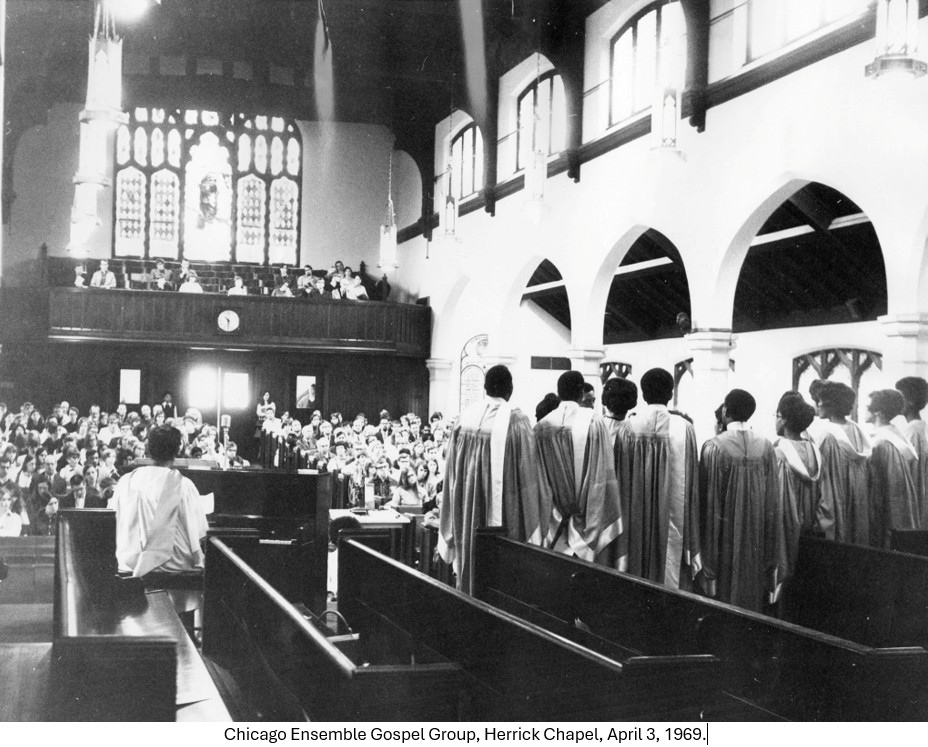
  • a performance by the Chicago Ensemble Gospel Group (pictured here)
  • a sermon by the Father Kwasi Benefee, a black liberation theologian/priest.


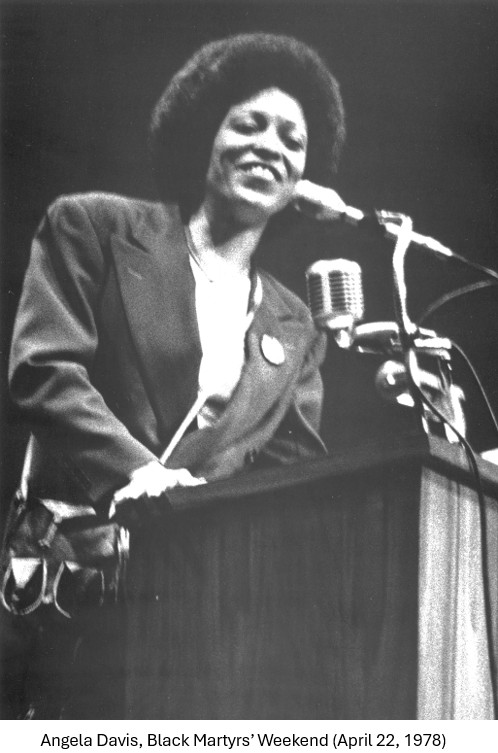
While some events were held in the Forum, many of the talks and performances took place in Herrick Chapel, which would serve as the main site for future iterations of the Black Martyrs’ Weekend that were held throughout the 1970s, and would include many prominent figures like Angela Davis, Gwendolyn Brooks, Dick Gregory, Herbie Hancock, and more.

On today’s campus, the commemoration of Martin Luther King has shifted to January, with the advent of the federal holiday marking MLK Day, in the 1980s. There is something fitting, however, about the fact that this year’s MLK Day speaker, Jamelle Bouie, will delivering his address on “The Civil Rights Movement and the Reconstruction Amendments,” in Herrick Chapel (this Thursday evening). It’s a space, and a pulpit, that has a rich tradition associated with this topic, thanks to the work of the CBS and others who began this process more than fifty years ago.

What’s in a Name?: A Grinnell Artist Names a Mountain

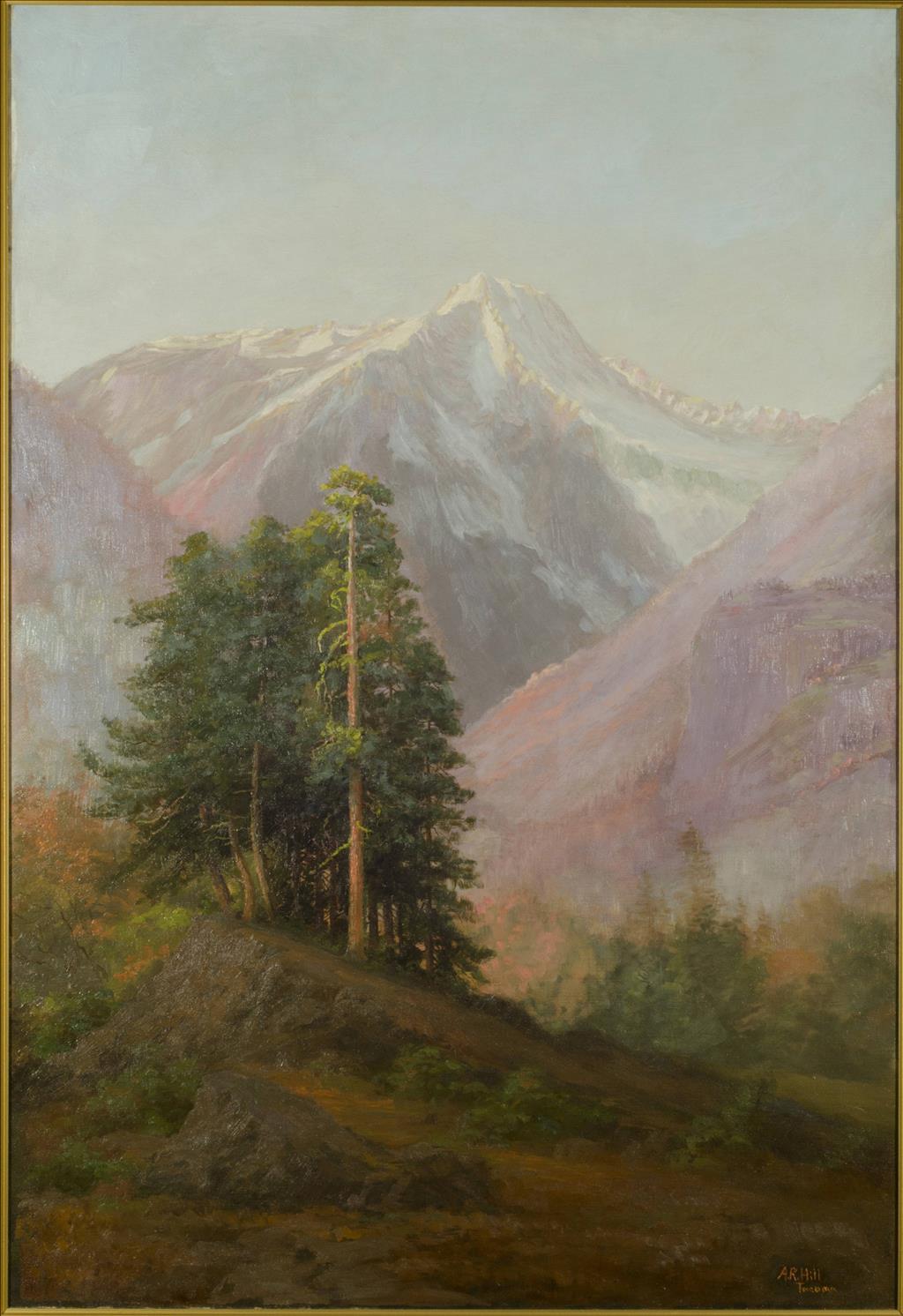
Mount Booker near Lake Chelan (1903) 29″ x 42″ (Collins Memorial Library, U. Puget Sound)

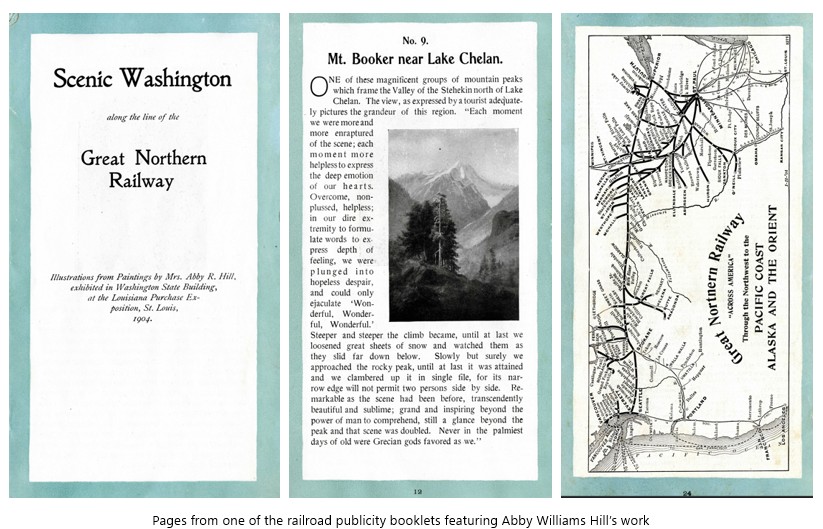
Abby Williams Hill ’07, who has been featured before, was one of the most prominent artists to come out Grinnell. Her collection of landscape paintings, from the early 1900s, portrayed the national parks and western landscapes to a wide public audience, being exhibited at the World’s Fair in St. Louis in 1904, and then published in serial form (subsidized by railroad companies eager to promote western tourism).

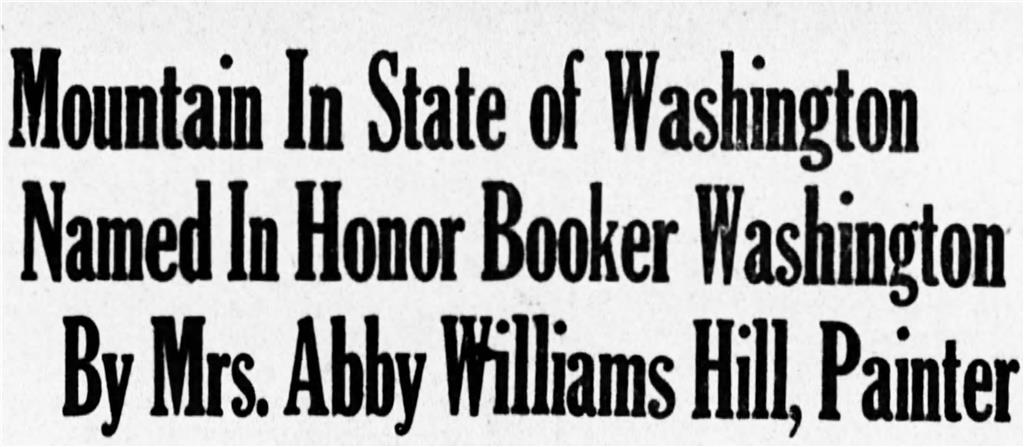
Hill was painting one particularly arresting peak, in the Cascades in 1903, when she was surprised to learn that no one knew of a name for that specific mountain.  She wrote to the U.S. Geological Survey, which reported back (to their own surprise) that it was one of the few peaks that had not been assigned an official place name, a toponym, in their records. So they gave Hill the opportunity to choose its official name. She wrote back saying that she would like it to be named after Booker T. Washington, someone she admired deeply. Only a few years earlier, Hill had taken her four children on a whistle stop tour of Progressive America, visiting prominent reform sites such as Jane Addams’ Hull House, in Chicago, and Booker T. Washington’s Tuskegee Institute, in Alabama, where she spent a considerable amount of time in the company of both Booker and Margaret Murray Washington.

When interviewed by a New York newspaper about the name choice, Hill explained:

Here was a glorious monument not made by the hand of man but carved by the Almighty. What could be more fitting than to name it for one of the most truly great men of our times… When we look at Mt. Booker let us be thankful for Booker Washington’s life, for what he did to solve seemingly impossible problems… His influence like the stream from the mountain will go on through the ages to bless and help mankind.

Naming a mountain after an African American stirred some controversy in the press, , as Grinnell’s local newspaper, the Herald, explained:

This aroused negro-phobia into activity. The name became a red rage for anti-negro venom. Choice epithets easily imagined, fell in a shower of mud around her [Abby Hill]; an effort was made to change the name. The Government at Washington was consulted but only to learn that the name was given by authority, was a matter of record, and could not be changed.

In Grinnell, Booker T. Washington was a widely admired figure, invited twice to speak to the Grinnell community, and the subject of many talks and papers on campus during this period.


Gwendolyn Brooks at Grinnell

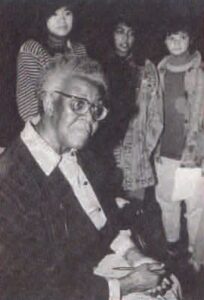
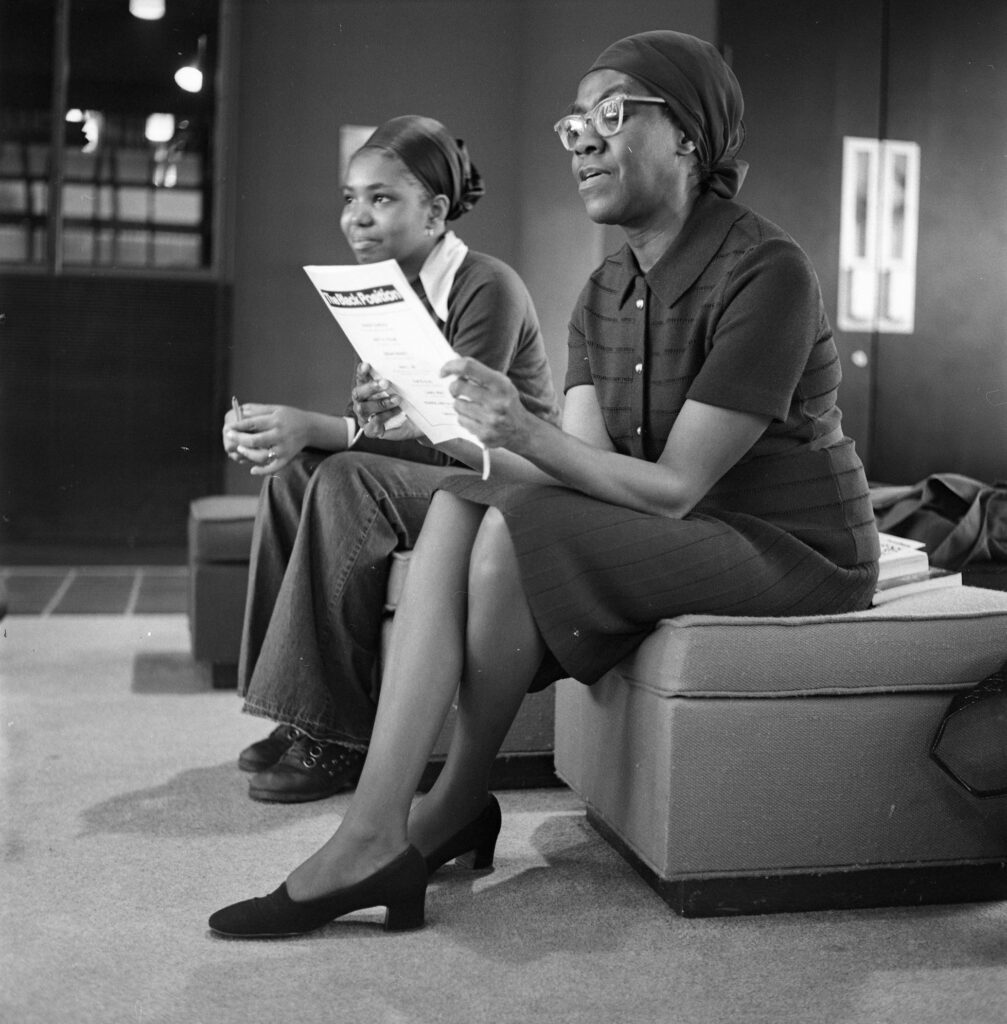
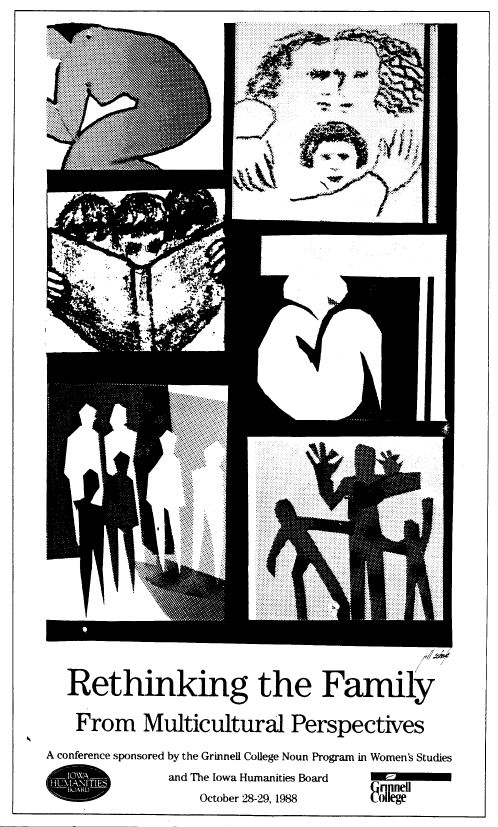
Before GWSS became a major—or even a concentration—Grinnell had the Noun Program in Women studies and the Noun Chair in Women’s Studies (both endowed by Louis Rosenfield Noun in 1986).  One of the first major events the Noun program sponsored was a large symposium in the Fall of 1988, entitled “Rethinking the Family From Multicultural Perspectives” (see the brochure posted here).  The keynote event of that conference was a reading by the Pulitzer Prize-winning poet, Gwendolyn Brooks, who was one of the defining voices of the 20th century (pictured here with three Grinnell Students behind her). This was not Brooks’ first visit to Grinnell, however. In 1972, students invited Brooks to headline the Black Martyrs Weekend event, which involved leading a workshop on poetry in the morning (captured in this picture showing Brooks and a student in the South Lounge), and then reading her own work in the evening.

Gwendolyn Brooks at 1988 symposium

Brooks leading a Poetry workshop in South Lounge, 1972

Rethinking_the_family_Noun_Symposium_1988 (Click here for full symposium brochure)

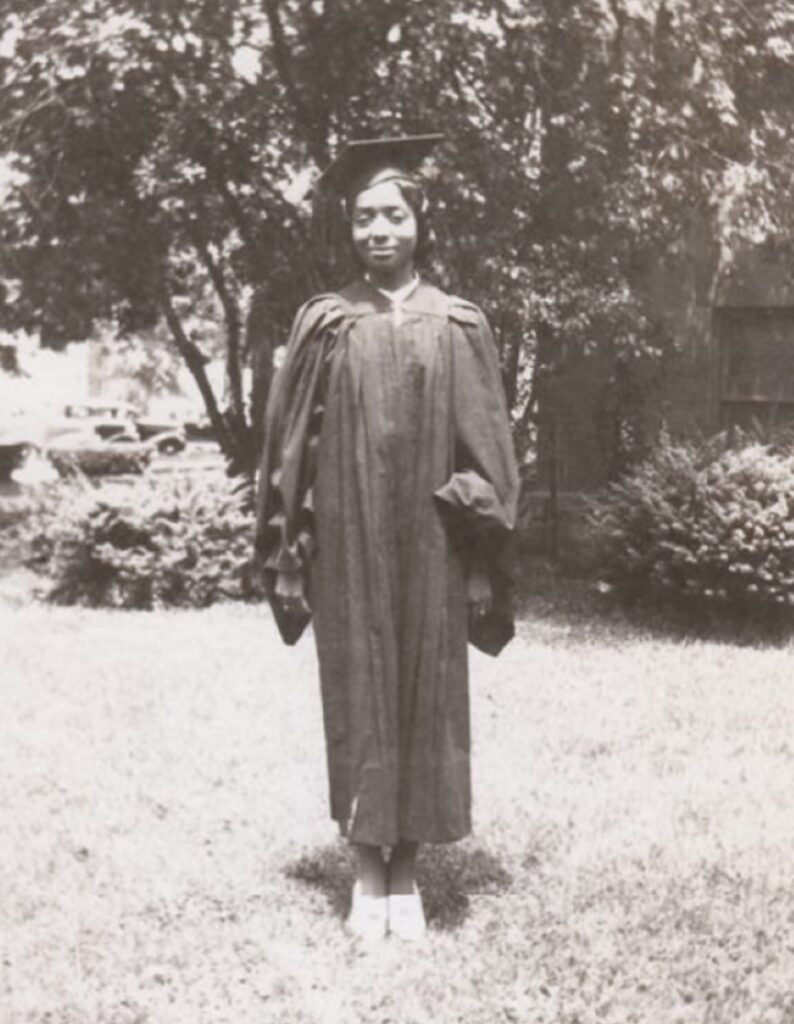
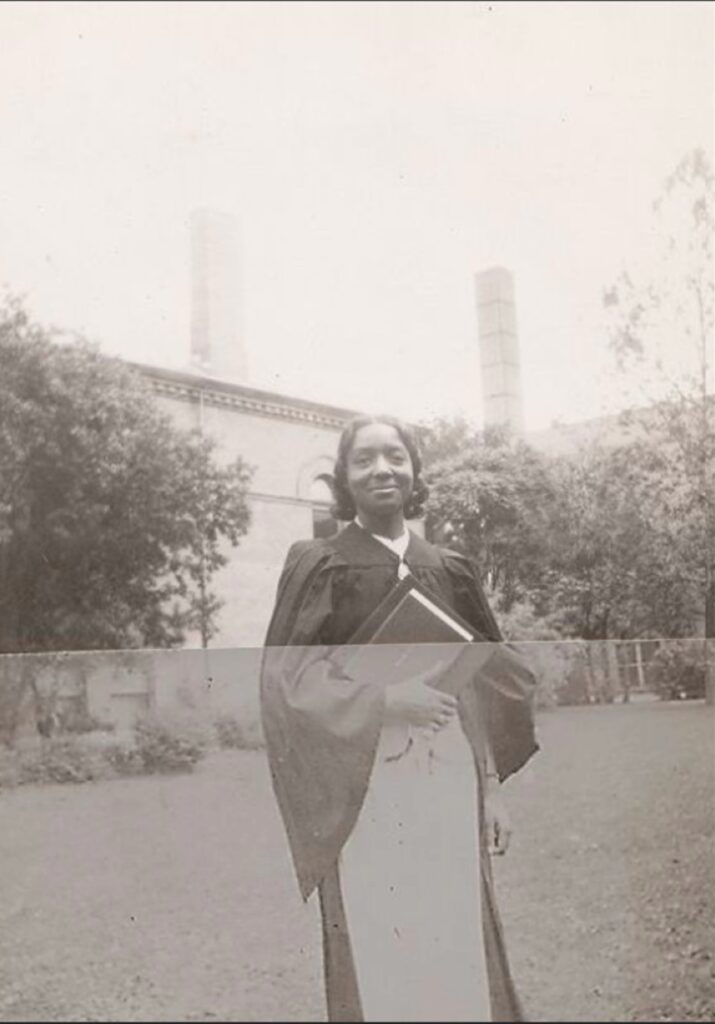
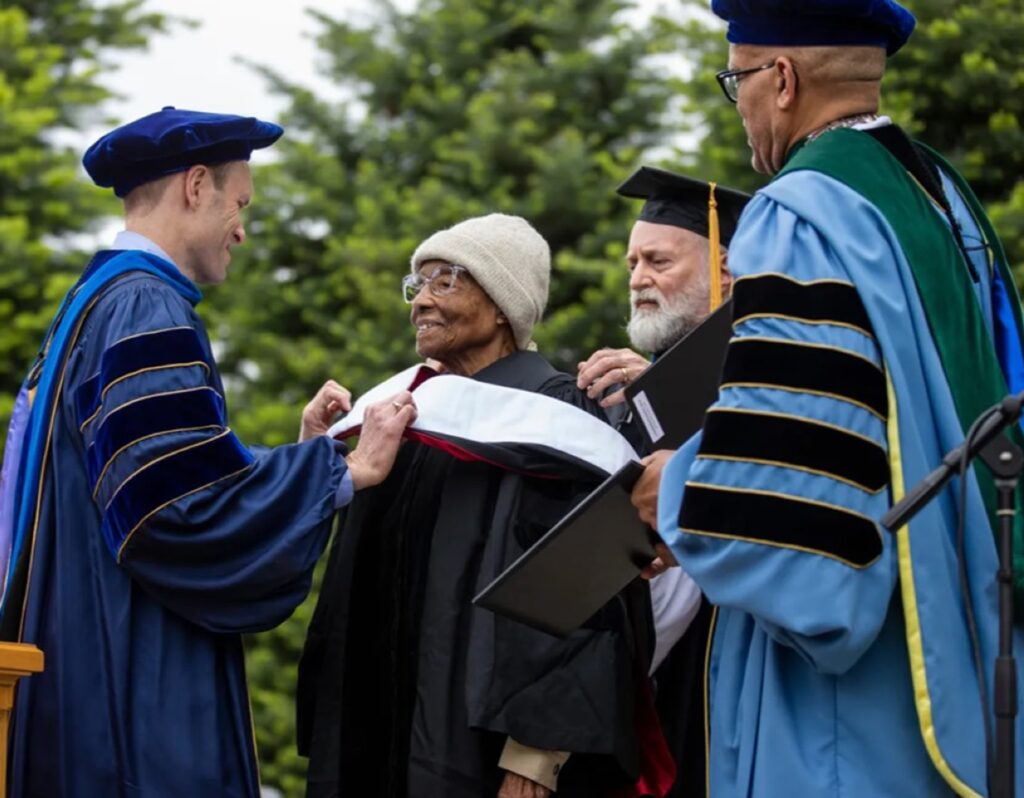
Edith Renfrow Smith’s Graduation Photographs

Davis Middle School Graduation

Edith Renfrow college graduation

graduation from Chicago Teacher's College

Honorary Doctorate

Edith Renfrow Smith’s Graduation Photographs

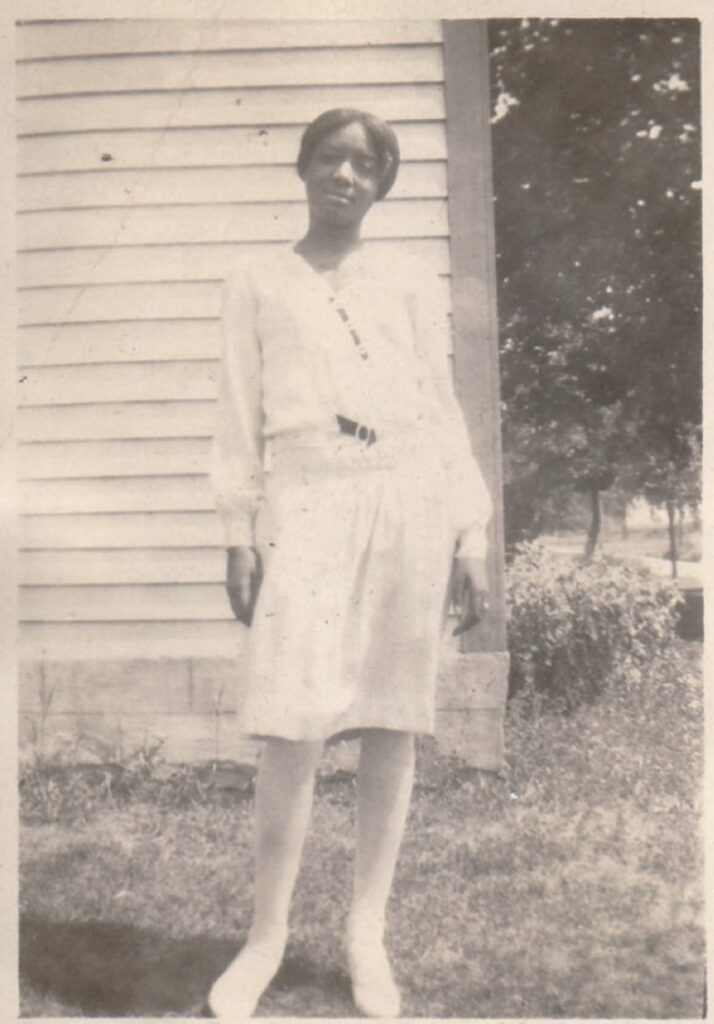
As we come together to celebrate the dedication of Renfrow Hall, and to celebrate the amazing life and accomplishments of Edith Renfrow Smith ’37, Grinnell College is fortunate enough to have (in its archives) four graduation photographs of Edith, ranging over 90 years, from her eighth-grade graduation in town (in 1929), through to her honorary doctorate at Grinnell in 2019. The other two photographs include her 1937 Grinnell College graduation and her 1954 graduation from Chicago Teacher’s College.

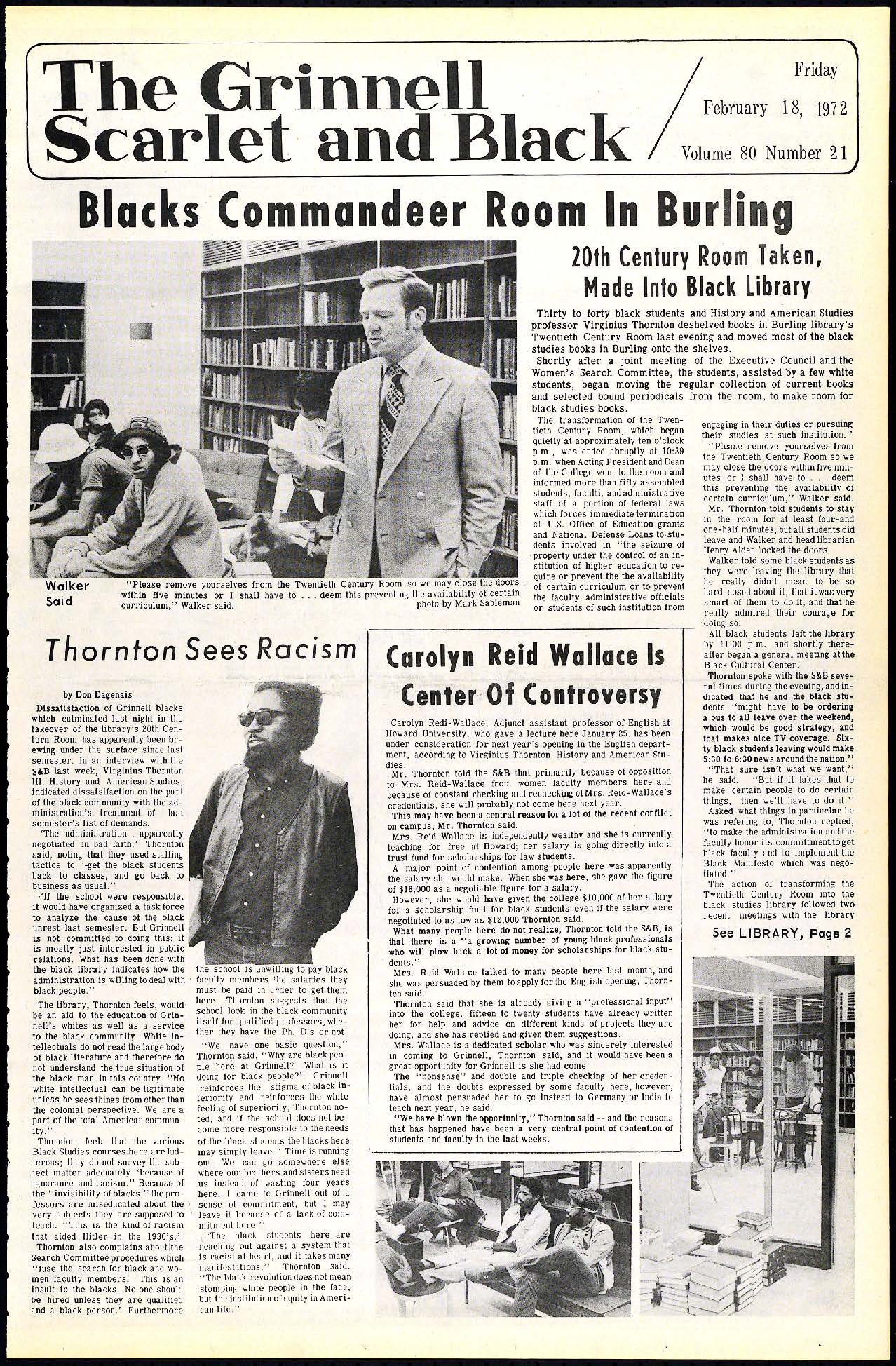
1972 Protests and the Creation of a Black Library

For a larger, pdf. version of this page, use the link here:   1972 protest in 20th century room

1972 Protests and the Creation of a Black Library

Last week’s post focused on the Twentieth Century Room in Burling Library, that existed from 1958 to 1982. This week’s items offer a glimpse into how and why that particular space became central to students protests over racism and inclusivity at the College. Frustrated by the lack of institutional change that had followed an earlier round of protests in 1970—in which black students had negotiated with the administration over a series of reforms, including the creation of black cultural center, a black library, a black studies major, a new admissions board, and target goals of dramatically increasing the size of Grinnell’s black student body—a group of students and faculty “commandeered” the Twentieth Century room in order to transform it into the promised black library, that had yet to materialize.  This page, from the S&B,  offers some images and context surrounding the event, including an interview with Virginius Thornton III, a professor of History and American Studies at Grinnell, who participated in the protests, and who was an important figure in the activism of the 1960s (he was a co-founder, for example, of SNCC, the Student Non-Violent Coordinating Committee). The Twentieth Century Room did, in fact, become the home of the college’s black library, until 1982, when Burling was remodeled, and the black library collection was moved to its current location.

Thurgood Marshall’s Commencement at Grinnell

Thurgood Marshall’s Commencement Address, 1954

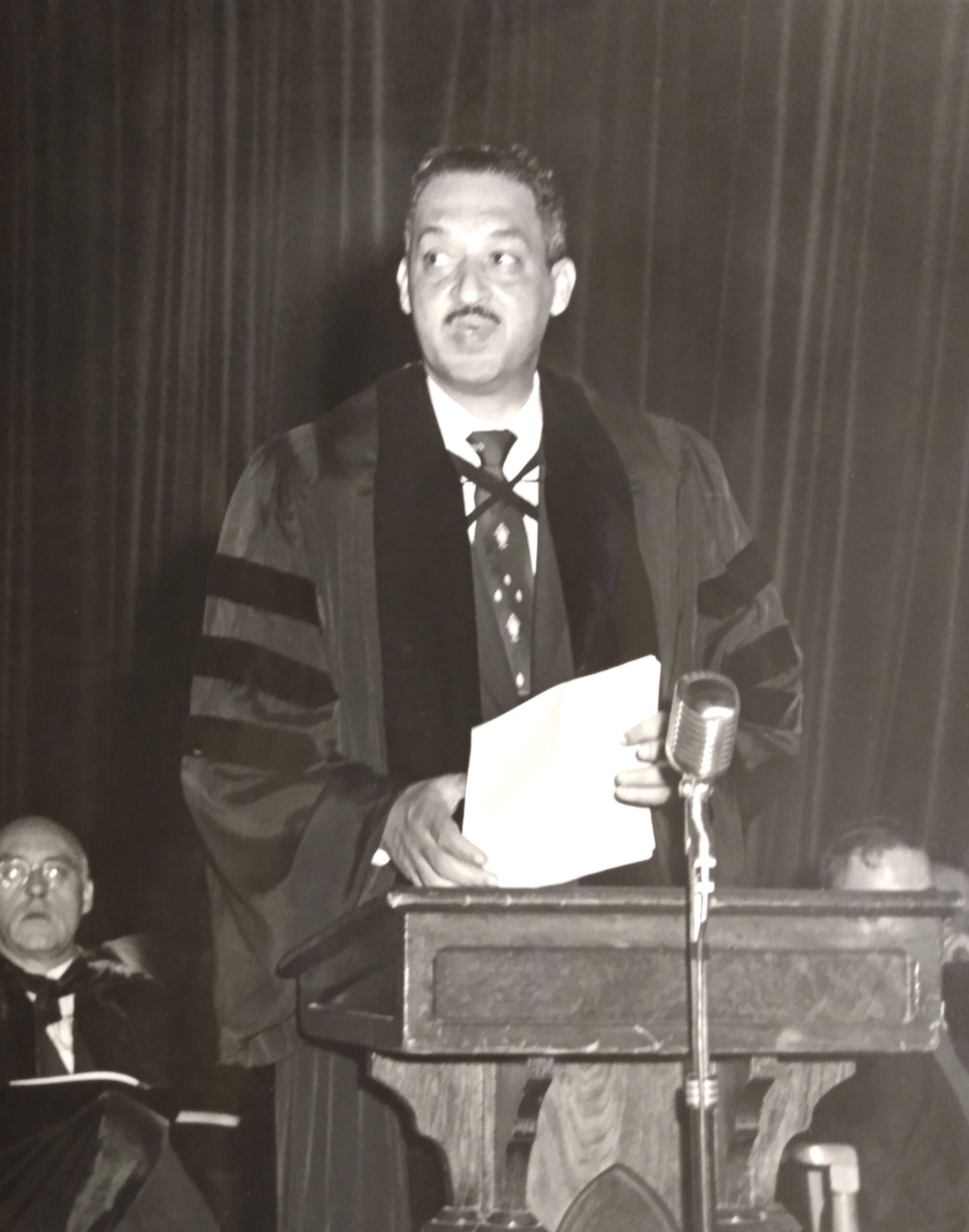
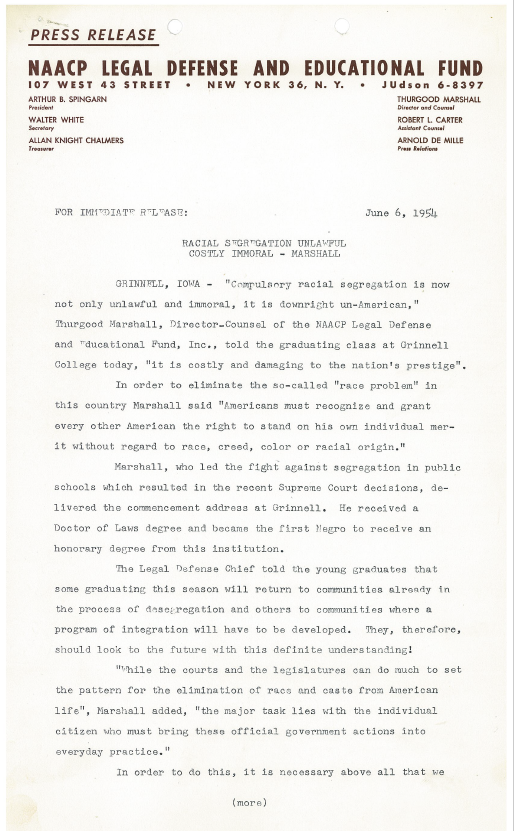
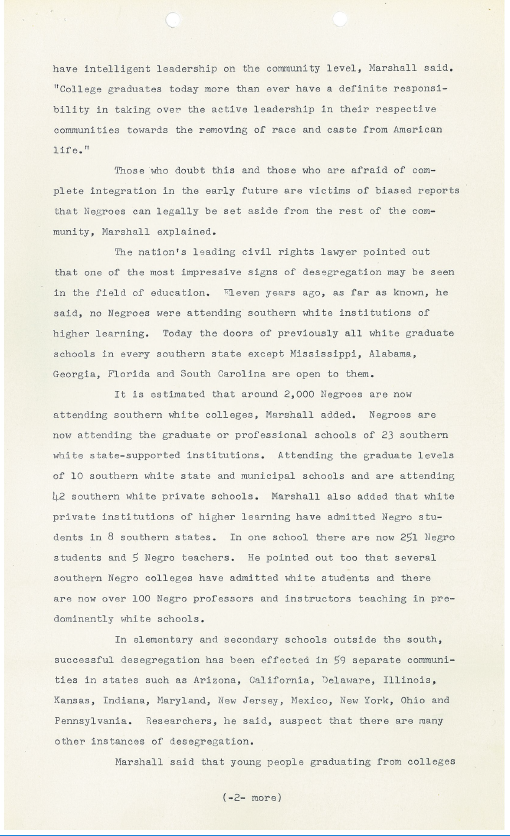
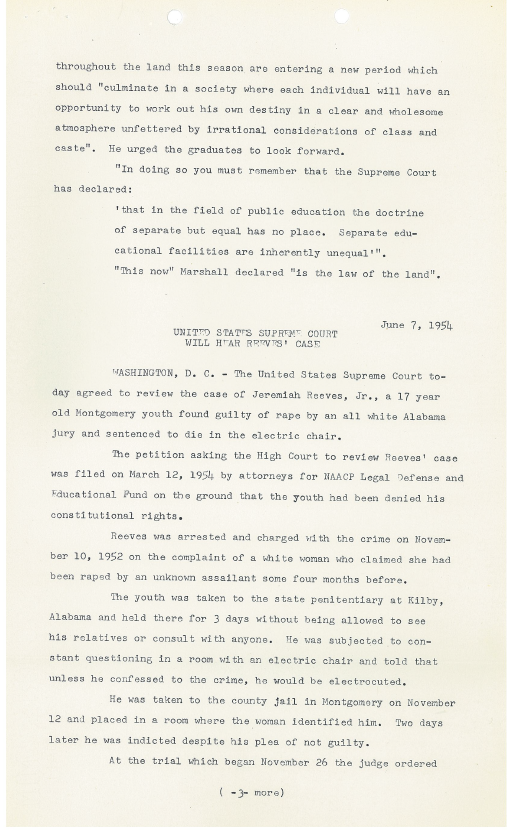
On May 17th, 1954, (seventy years ago) the Supreme Court issued its landmark ruling in Brown v. Board of Education, striking down racial segregation in public schools. Thurgood Marshall, had been the principle architect of the NAACP’s legal campaign to combat racial discrimination though the courts. Just a few weeks later, Thurgood Marshall arrived in Grinnell, to deliver the commencement address to the class of 1954, and to receive an honorary doctorate of Laws from the college (the first African-American to receive an honorary degree from Grinnell, or to deliver its commencement address). Marshall (pictured here at the commencement podium of Darby Gymnasium) delivered an important address, entitled “Race and Caste Distinctions: Effective Barriers to Education for Democracy,” that attracted national media attention, as seen in the NAACP press release (below).

Powered by WordPress & Theme by Anders Norén